

Developing new diagnostics and therapeutics with nucleic-acid aptamers and extracellular vesicles — using mass spectrometry, capillary electrophoresis, biolayer interferometry and flow cytometry.
Graduate students wanted
Prof. Berezovski is seeking passionate graduate students eager to delve into the exciting world of developing new diagnostics and therapeutics using nucleic-acid aptamers and exosomes. Candidates can apply for M.Sc. or Ph.D. programs in Chemistry or Chemical and Environmental Toxicology. A fast-track to the Ph.D. is available for excellent students after one year of the M.Sc. program.
Send CV & transcriptsIndustrial partner required
Prof. Berezovski is seeking a partner company with R&D capabilities to join our mission to advance molecular diagnostics, proteomics, and metabolomics. Your expertise and resources are crucial for realizing joint projects — together we can make significant contributions.
Start a conversationAbout the group
Prof. Berezovski's research group is part of the Department of Chemistry and Biomolecular Sciences at the University of Ottawa, located in downtown Ottawa, Canada's capital. We are proud to be part of this vibrant academic community and to contribute to the city's reputation as a hub for scientific research.
Analysis of biomolecules and their non-covalent interactions with kinetic capillary electrophoresis and mass spectrometry.
Selection and application of DNA aptamers to proteins, live cells, bacteria, viruses and exosomes for therapeutic and diagnostic purposes.
Aptamer-facilitated biomarker discovery (AptaBiD), proteomics and metabolomics of extracellular vesicles.
Connect
Follow the lab on LinkedIn
Prof. Berezovski shares lab news, new publications, conference talks, and student milestones on LinkedIn. Follow along for the latest updates.
Prof. Dr. Maxim Berezovski
Full Professor · Department of Chemistry & Biomolecular Sciences · University of Ottawa

Professional experience
Awards & fellowships
Education
Editorial activities
Research Highlights
From precise molecular measurement to diagnostics, imaging and therapy.
Over the past several years, the group has advanced four connected lines of research — from aptamer discovery through extracellular-vesicle omics and new analytical methods to the translation of these tools into clinical and industrial pipelines. Selected papers are linked to their DOIs below.
1. Aptamers for Biosensing and Molecular Therapy
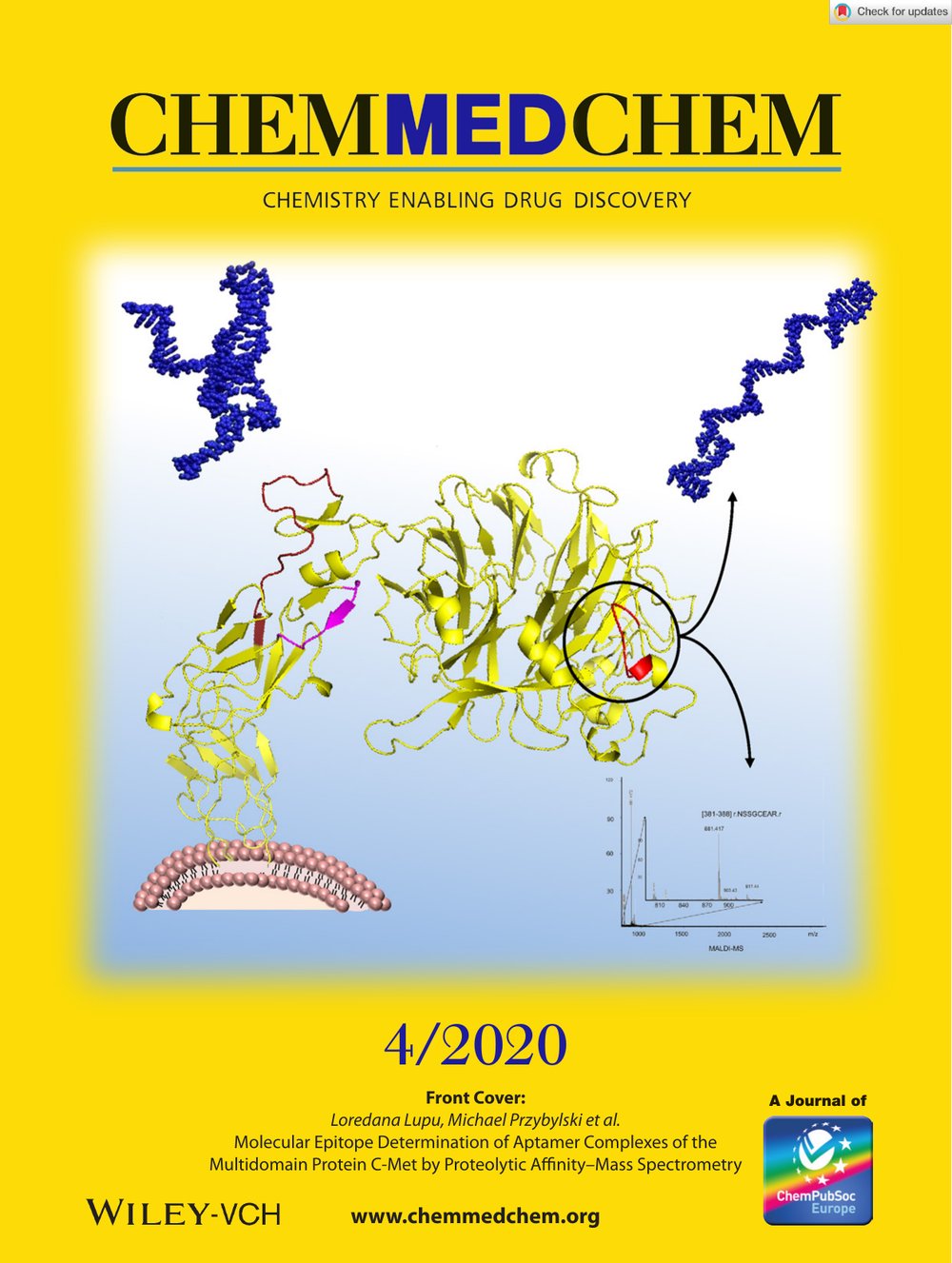
The lab advances aptamer science from discovery to application — spanning diagnostics, imaging, purification and theranostics. Work ranges from the selection of new DNA and RNA aptamers, including aptamers against glioblastoma stem cells targeting the EphA2 receptor [Mol. Therapy – Nucleic Acids, 2020, 20, 176], to structural epitope mapping and 3D-structure elucidation of aptamers by small-angle X-ray scattering and molecular modeling [ChemMedChem, 2020, 15, 363, cover article; Mol. Therapy – Nucleic Acids, 2021, 25, 316].
The team has produced aptamers to detect viruses — Vaccinia, Vesicular Stomatitis Virus, Norovirus and SARS-CoV-2 [Mol. Therapy – Nucleic Acids, 2023, 31, 731; Chemistry – A European Journal, 2022, 28, e202104481, cover article] — as well as bacterial pathogens (Salmonella typhimurium, S. enteritidis) and cancers [Mol. Therapy – Nucleic Acids, 2017, 6, 150; Cancers, 2019, 11, 351].
Berezovski pioneered aptamer selection directly on primary tumour cells and the subsequent detection of circulating tumour cells (CTCs) in blood and cerebrospinal fluid [Mol. Therapy – Nucleic Acids, 2023, 32, 267]. This strategy selects aptamers for cell biomarkers in their native state and conformation without prior knowledge of the target — so tumour-specific aptamers can be produced for individual patients and re-synthesized during therapy, opening the door to personalized diagnostics. The team was also the first to integrate DNA aptamers into mass cytometry for cancer-cell detection [Anal. Bioanal. Chem., 2018, 410, 3047].
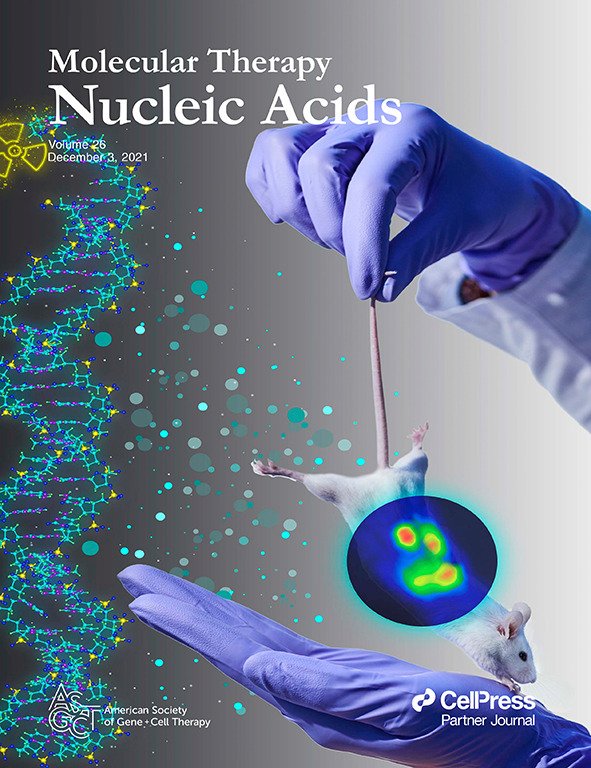
For in vivo imaging, the team radiolabeled a tumour-binding aptamer with 11C and demonstrated higher PET/CT specificity and contrast than the standard radiotracer 18F-FDG [Mol. Therapy – Nucleic Acids, 2021, 26, 1159, cover article]. For purification, the lab engineered switchable aptamers that bind viruses only in the presence of Ca(II)/Mg(II) ions and release intact virus upon EDTA/EGTA chelation; this platform is patented [US 10,233,442, 2019] and has initiated licensing discussions with bioprocess companies.
For theranostics, the group developed aptamer-guided magnetodynamic nanotherapy using gold-coated magnetic nanoparticles and magnetic microdisks to eliminate tumour cells in vivo under a low-frequency alternating magnetic field — an early demonstration of a noninvasive “nanoscalpel” at single-cell precision [Theranostics, 2017, 7, 3326; Nucleic Acid Therapeutics, 2017, 27, 105; Cancers, 2020, 12, 216]. Most recently, the lab introduced Aptamer-assisted Fluorescence-Guided Surgery (AptaFGS) for precise brain-tumour delineation in mice and rabbits, achieving clear boundary visualization with Cy7.5-labeled aptamers [J. Am. Chem. Soc., 2024, 146, 24989].
Impact. These works establish aptamers as versatile clinical tools across diagnostics, imaging and theranostics, and help shift practice from antibody-focused methods toward nucleic-acid ligands with better programmability and manufacturability.
2. Proteomics and Metabolomics of Extracellular Vesicles (EVs)
The lab develops an integrated EV analytics pipeline (LC-MS and CE-MS) and generates open datasets that identify disease-relevant proteins and post-translational modifications. EVs — small exosomes (30–150 nm), larger microvesicles (100–1000 nm) and apoptotic bodies — are membrane-enclosed carriers whose lipid bilayer protects a cargo of nucleic acids, proteins, lipids and metabolites, forming a system of cell–cell communication.
Highlights include the “Top-100 in Cancer” study defining the exosomal proteome of the aggressive breast-cancer line MDA-MB-231 versus non-cancerous MCF10A and validating GLUT-1, GPC-1 and ADAM10 as surface biomarkers [Scientific Reports, 2020, 10, 13572]; the discovery that breast-cancer microvesicles carry functional metabolic enzymes — ornithine aminotransferase (OAT), transaldolase (TALDO1) and bleomycin hydrolase (BLMH) [Biomedicines, 2021, 9, 107]; a comprehensive phosphoproteome of cancer small EVs (2,450 sites on 855 proteins; validated ACLY, PFKM, SIRT1 and SIRT6) [Biomedicines, 2022, 10, 408]; and a lysine-acetylome revealing cancer-specific acetylation and elevated activity of glycolytic enzymes (ALDOA, GAPDH, PGK1, ENO, PKM) in EVs from metastatic cells [Biomedicines, 2023, 11, 1076].
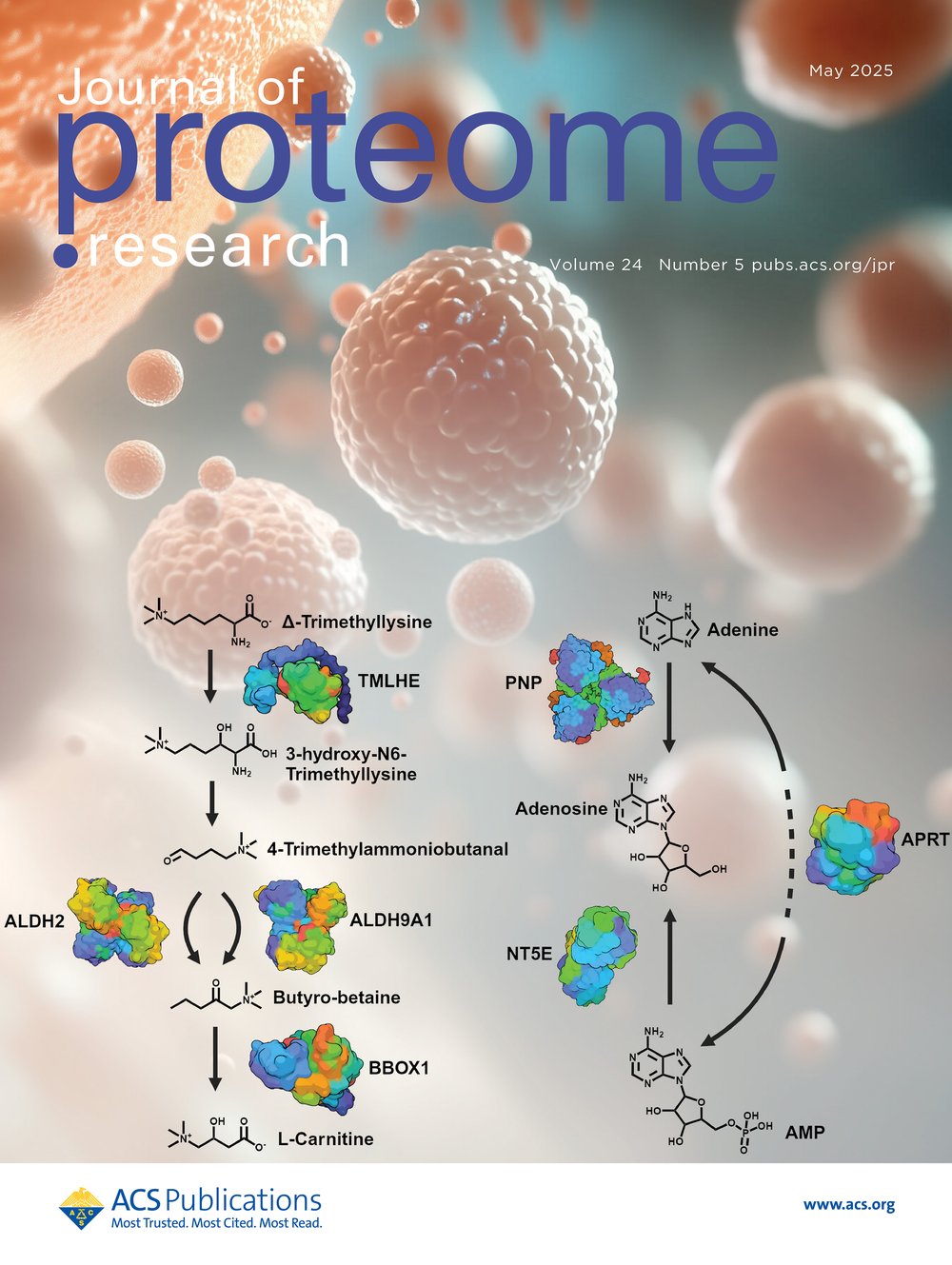
More recently, the team associated EV proteome and metabolome changes with purine and carnitine metabolism [J. Proteome Research, 2025, 24, 2505], reported exosome metabolomic signatures of triple-negative breast cancer [Metabolomics, 2024, 20, 123], and used EV surface-proteome profiling to nominate additional breast-cancer biomarkers [Cancers, 2024, 16, 520].
Impact. These results reposition EVs from passive cargo carriers to active biochemical messengers, and provide reference datasets and validated targets that inform analytical standards and clinical biomarker discovery in oncology.
3. Analytical Innovation: Quantitative Separations, Multi-omics and Structure-informed Assays
Capillary electrophoresis (CE), the focus of Berezovski's Ph.D. dissertation, remains a pivotal tool in the lab. In 2016, the team demonstrated for the first time the simultaneous analysis of protein conformational isomers together with their enzymatic activity and inhibition in a single CE-MS experiment [Nature Chemical Biology, 2016, 12, 918].
Beyond proteins, the lab quantifies nucleic acids and intact protein biomarkers by CE. A protein-facilitated affinity CE assay enables rapid quantification of ultralow microRNA levels in serum [Analytical Chemistry, 2018, 90, 6618], while on-line aptamer affinity solid-phase-extraction CE-MS purifies and characterizes intact proteins such as blood α-synuclein [Analytical Chemistry, 2020, 92, 1525].
For extracellular vesicles, the team introduced EVqCE, a quantitative CE framework that simultaneously measures EV concentration, average RNA mass (200–400 ag per particle) and handling-induced degradation — revealing lower RNA content in EVs from aggressive cancer cells [Separations, 2021, 8, 110]. The lab also developed a proximity-ligation aptamer–qPCR workflow for simultaneous protein and RNA detection [Analytical Chemistry, 2025].
Impact. This toolset, adopted by collaborators at Health Canada and several Canadian laboratories, shifts practice toward reproducible, quantitative EV analysis and structure-aware molecular assays.
4. Translation, Partnerships and Technology Transfer
The group develops and shares resources that promote community adoption. Its switchable-affinity aptamer platform for virus and cell purification is patented [US 10,233,442, 2019] and has been discussed with bioprocess companies, while EV multi-omics datasets and protocols are openly reused by Canadian and international collaborators.
AptaFGS advances fluorescence-guided oncology surgery [J. Am. Chem. Soc., 2024, 146, 24989], and aptamer selections against primary tumour cells and CTCs are being investigated with clinical partners for patient-specific diagnostics [Mol. Therapy – Nucleic Acids, 2023, 32, 267]. Engagements with industry partners (including Forta Bio Inc. and Advanced Quantum Materials) and NSERC-supported collaborations demonstrate industrial relevance. Berezovski has delivered roughly 30 invited talks and workshops (e.g., ICASS, CCCE, Houston Methodist) that have helped accelerate adoption of the group's methods.
Impact. These activities lower barriers to translation, inform best practices in proteomics and EV workflows, and strengthen Canada's diagnostics and biomanufacturing capacity through shared data, protocols and intellectual property.
Team
Since 2009, Prof. Berezovski has supervised 117 trainees across every career stage — 12 currently in the lab and 105 alumni now working in academia, industry and the clinic.
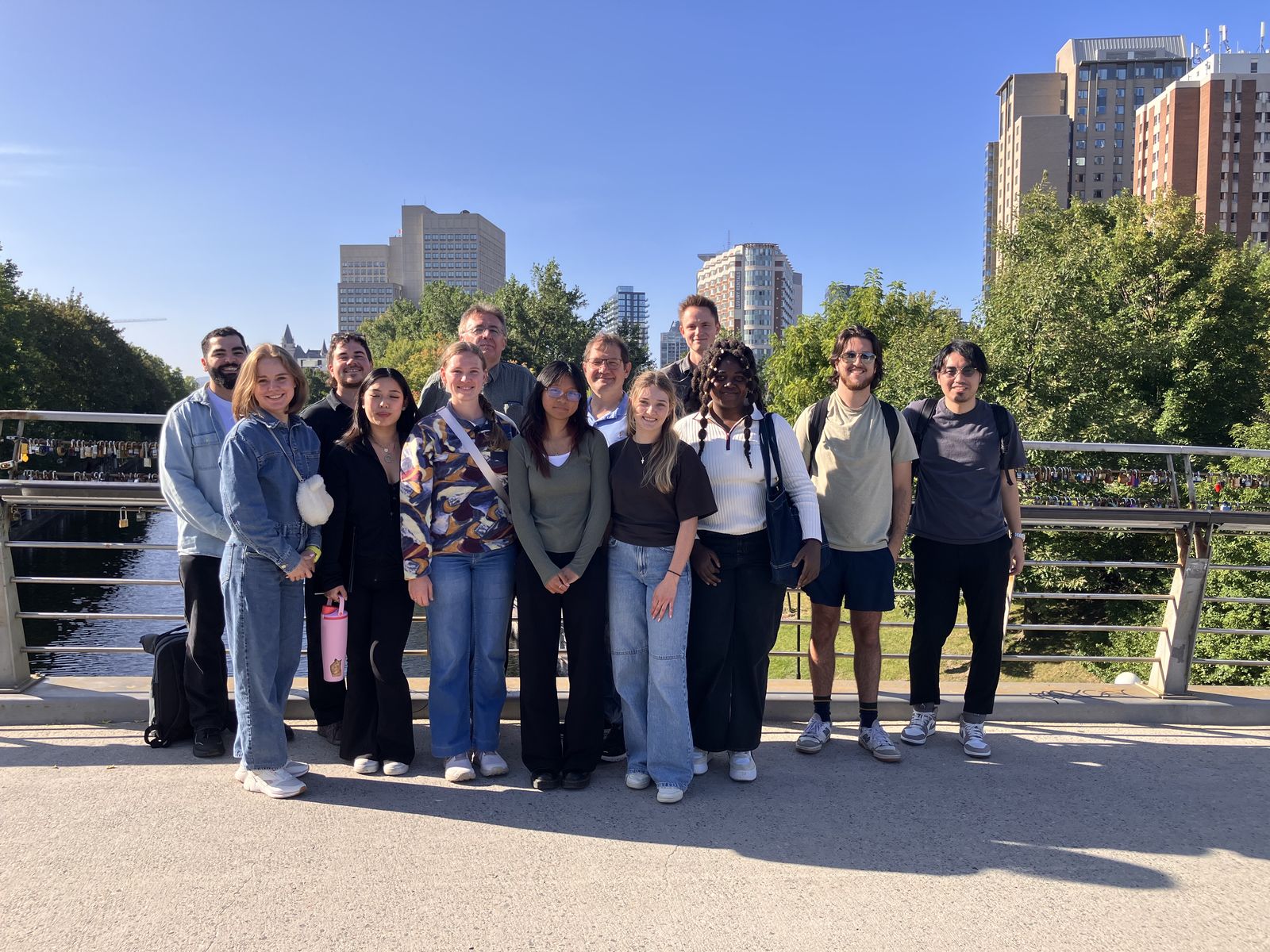
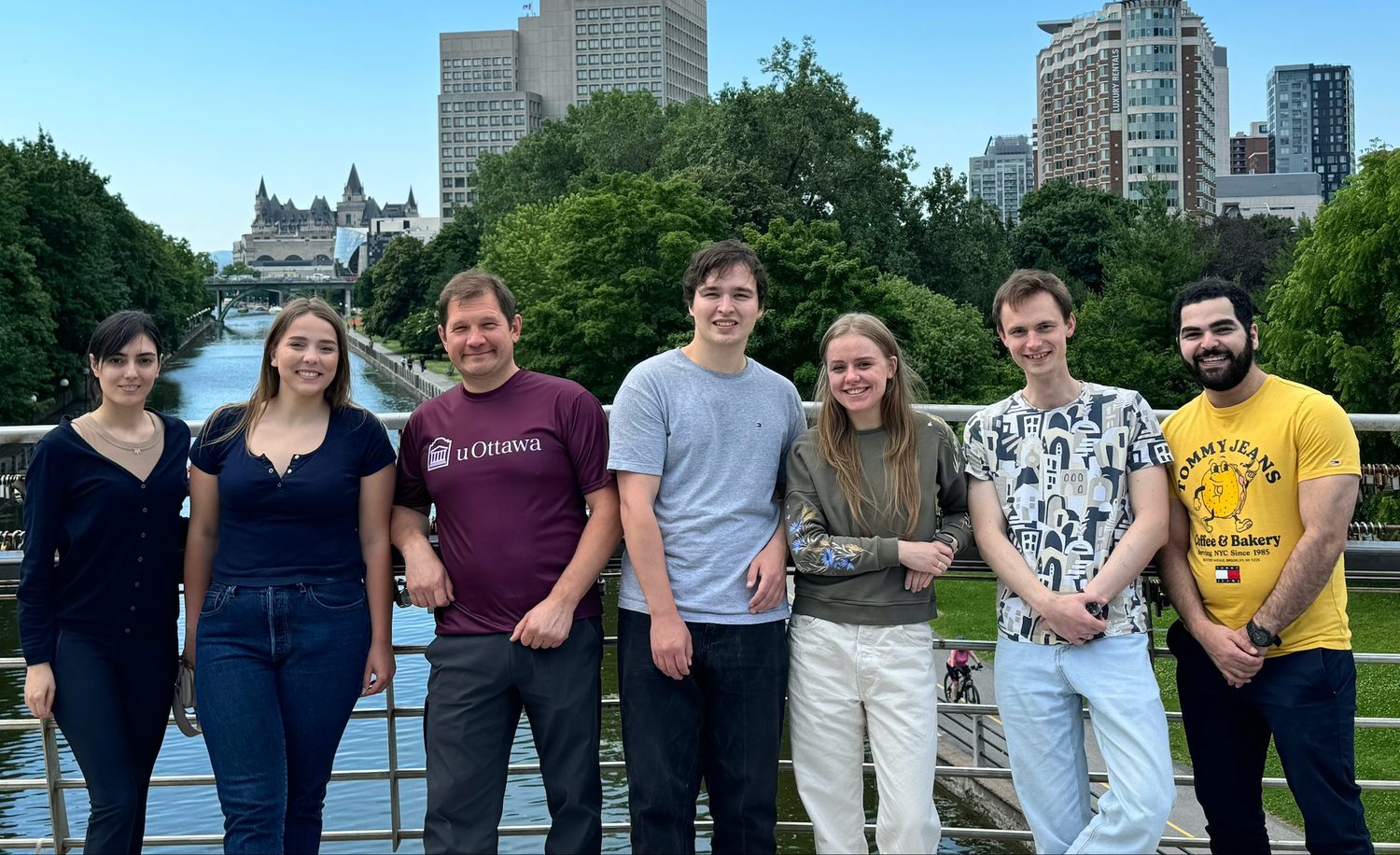
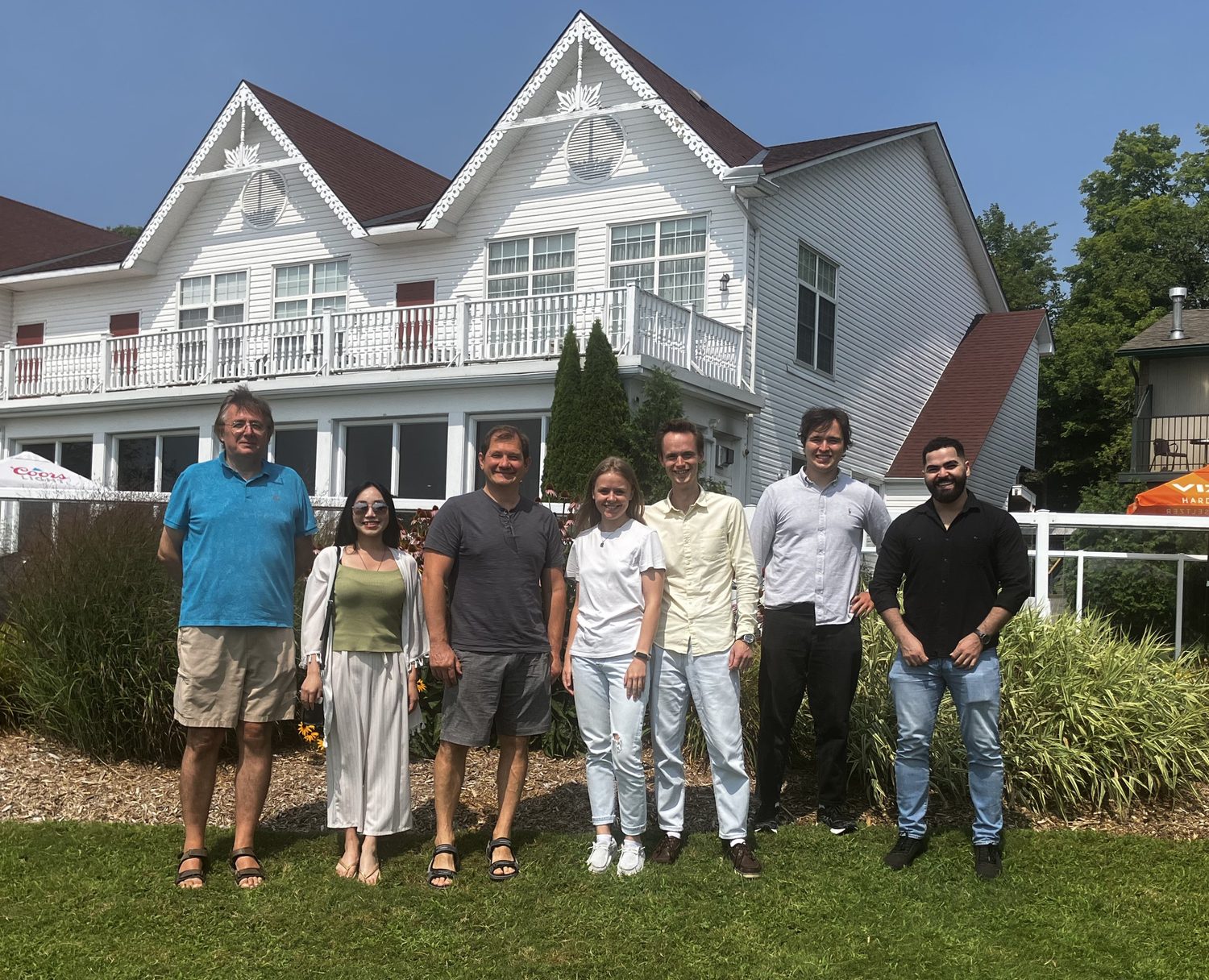
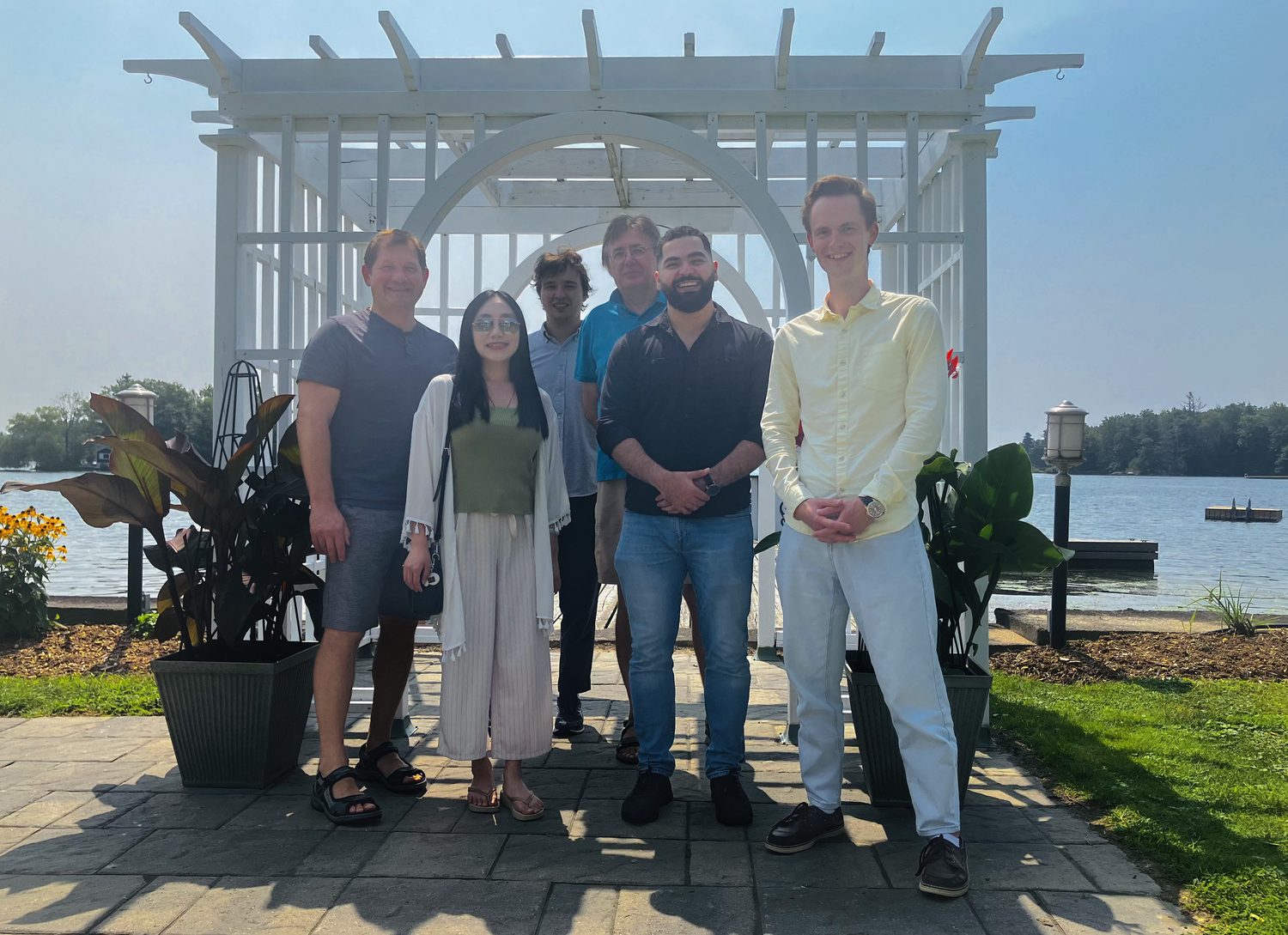
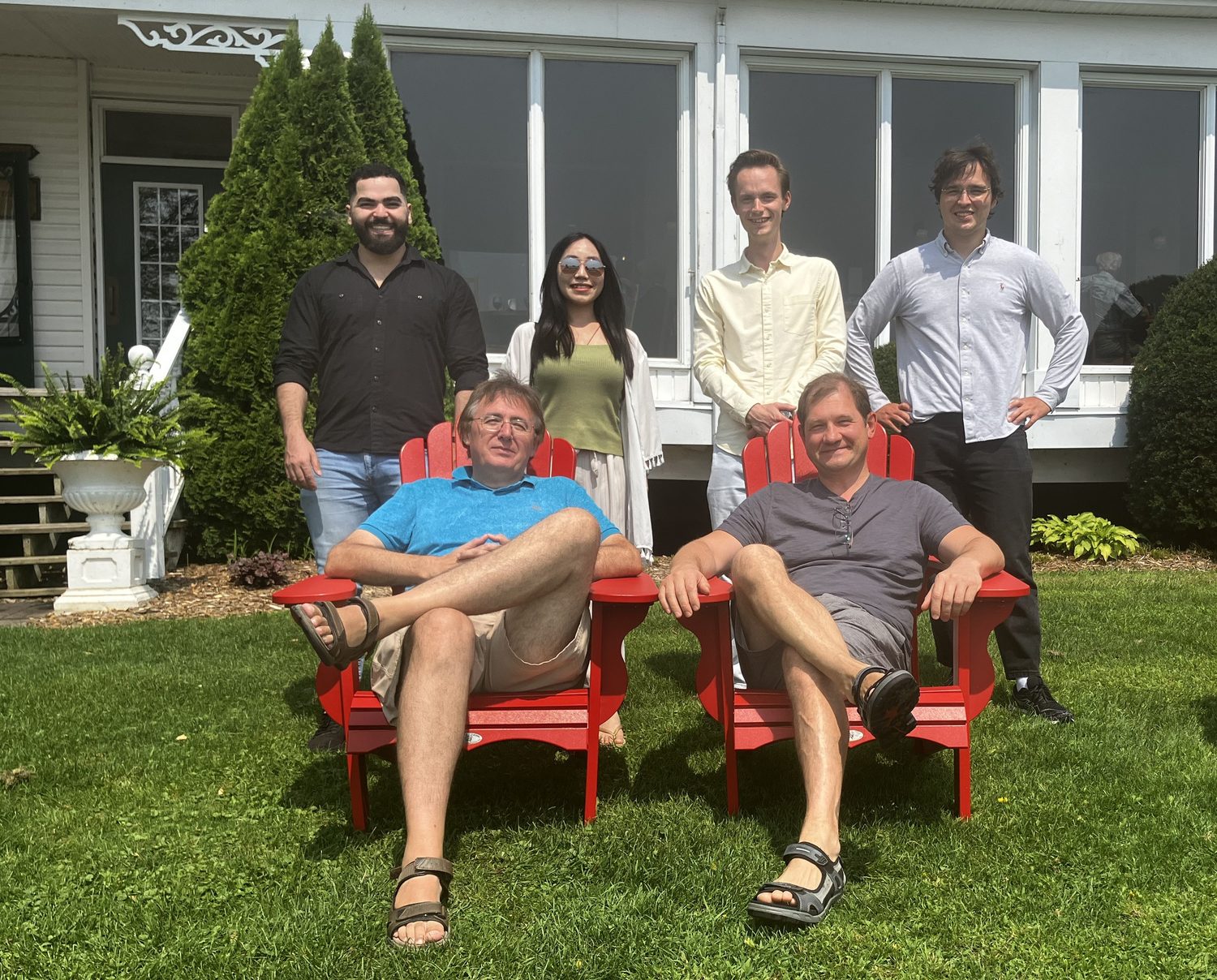
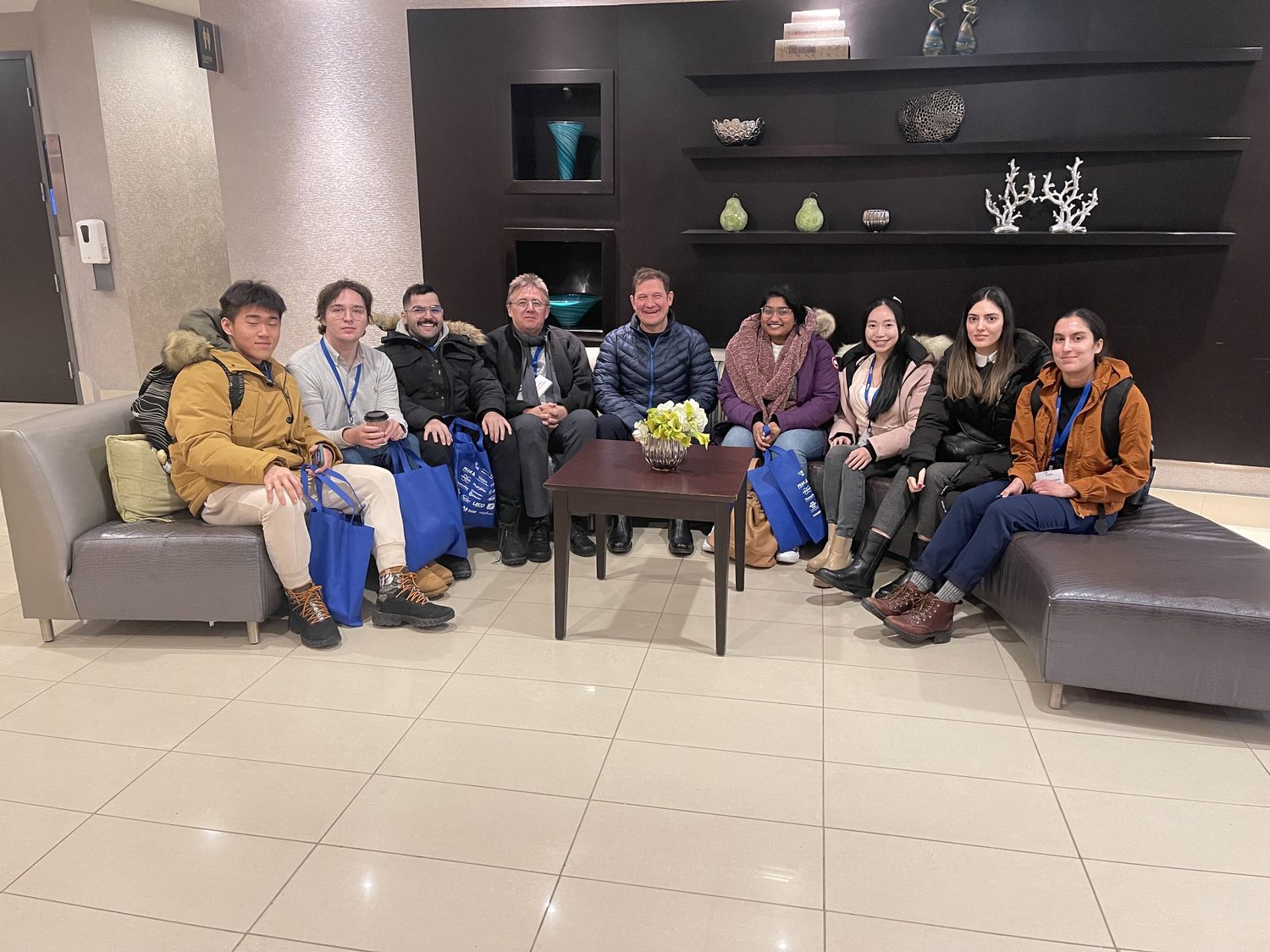
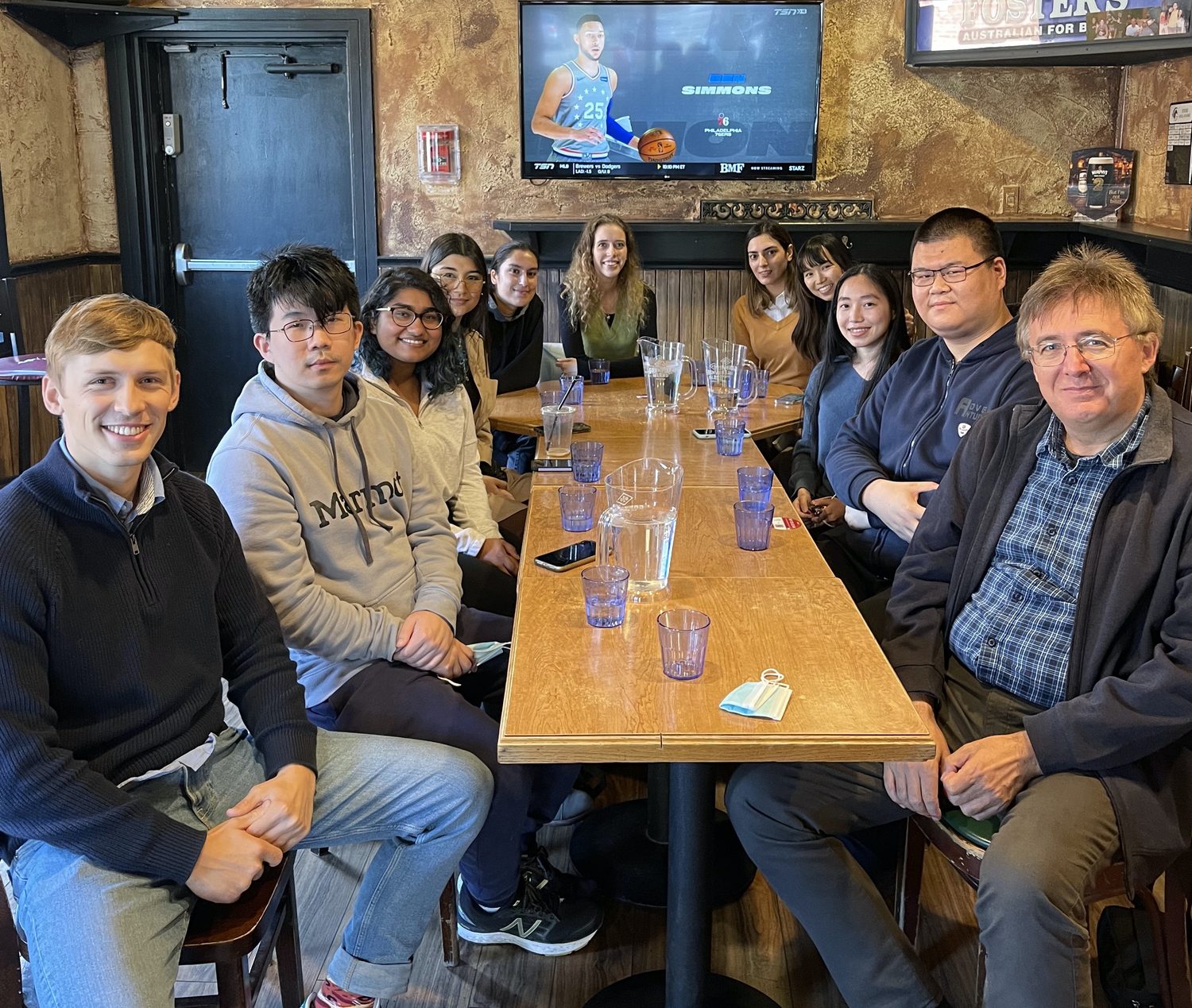
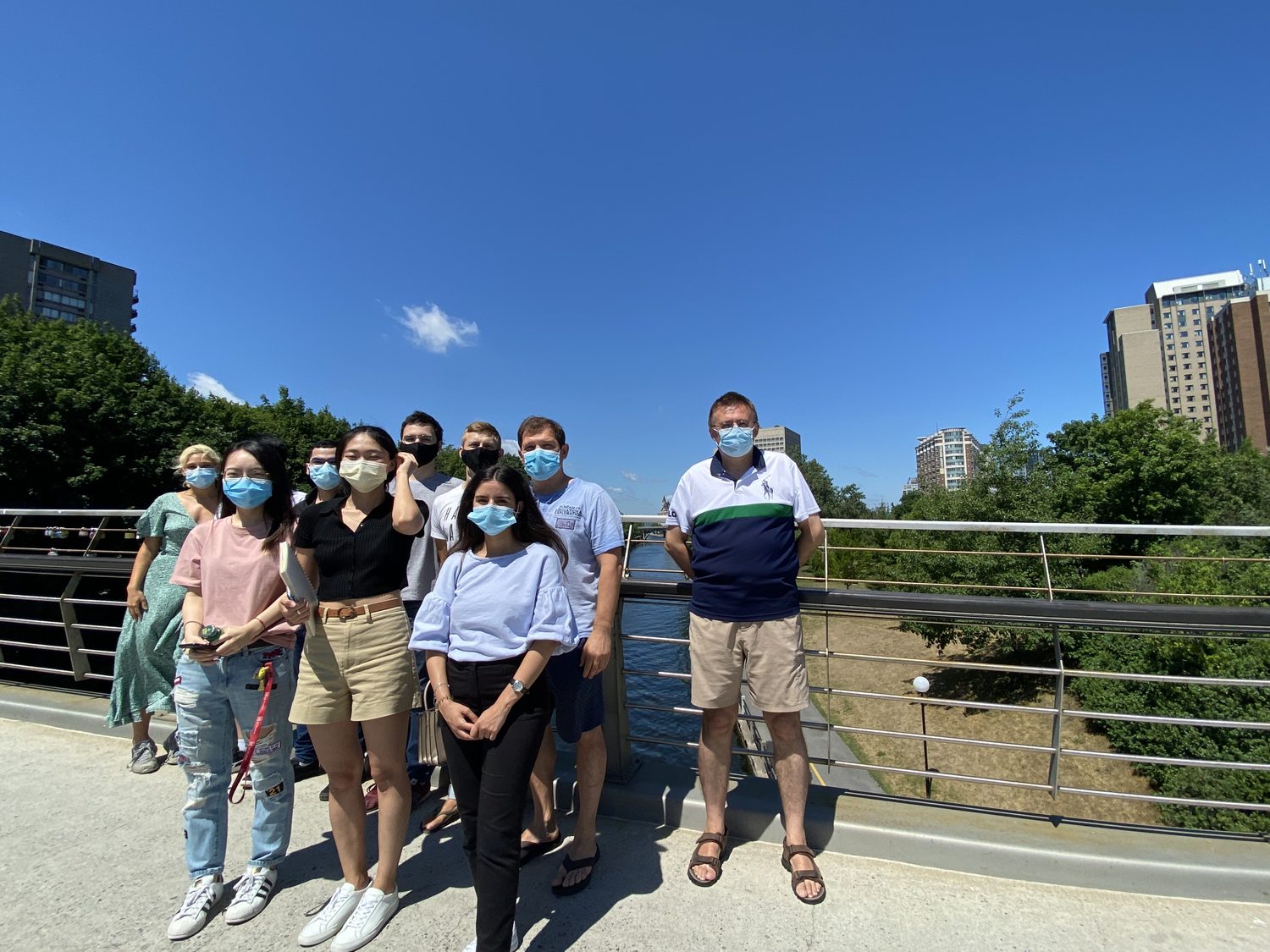
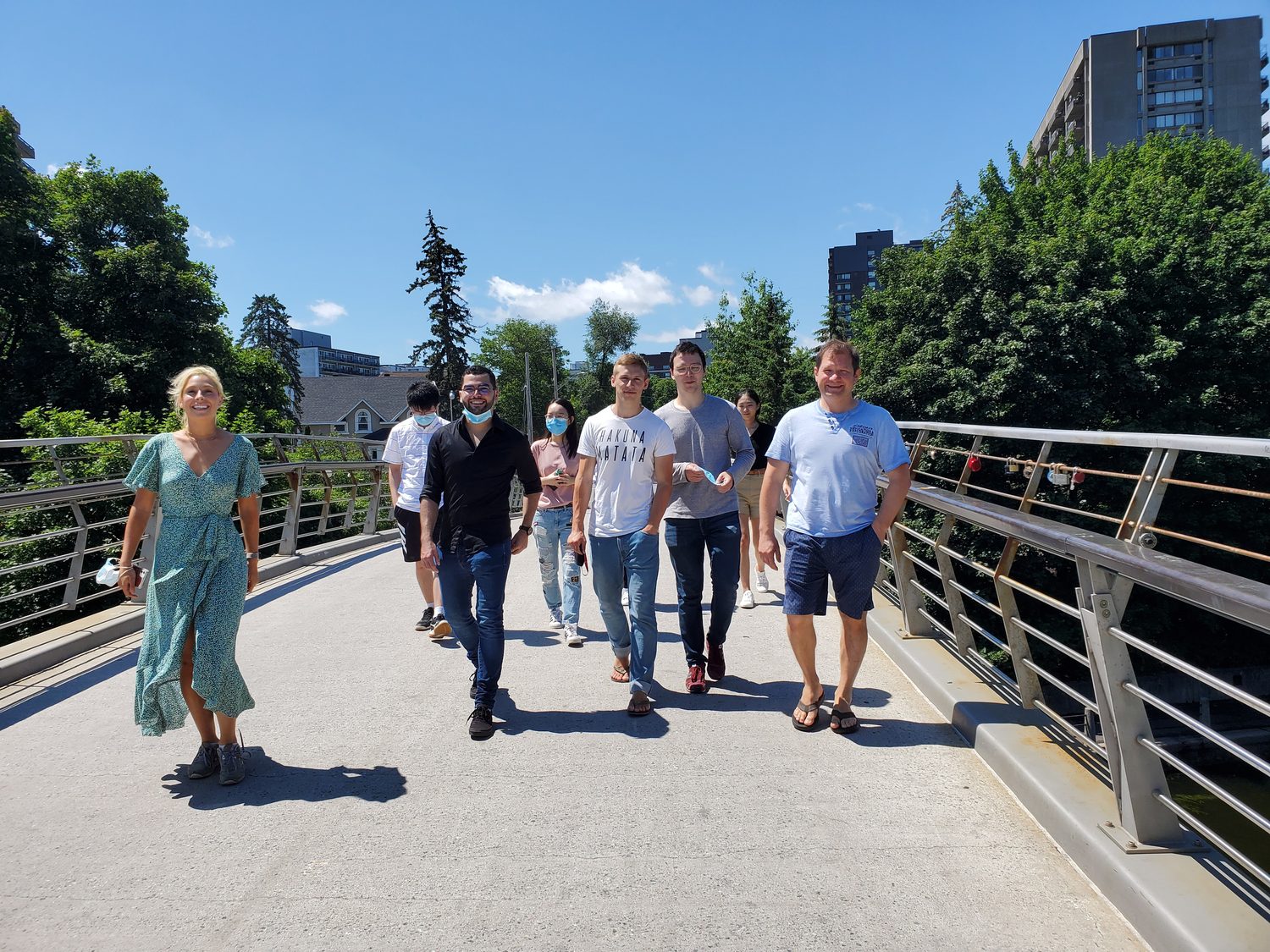
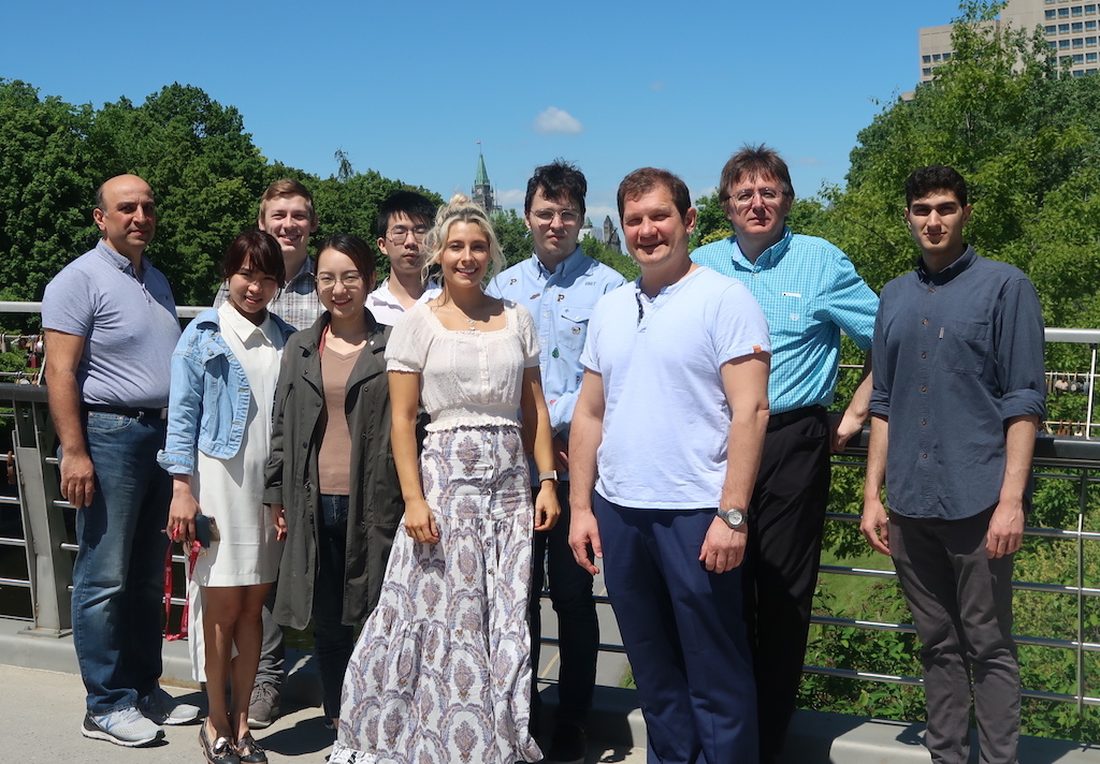
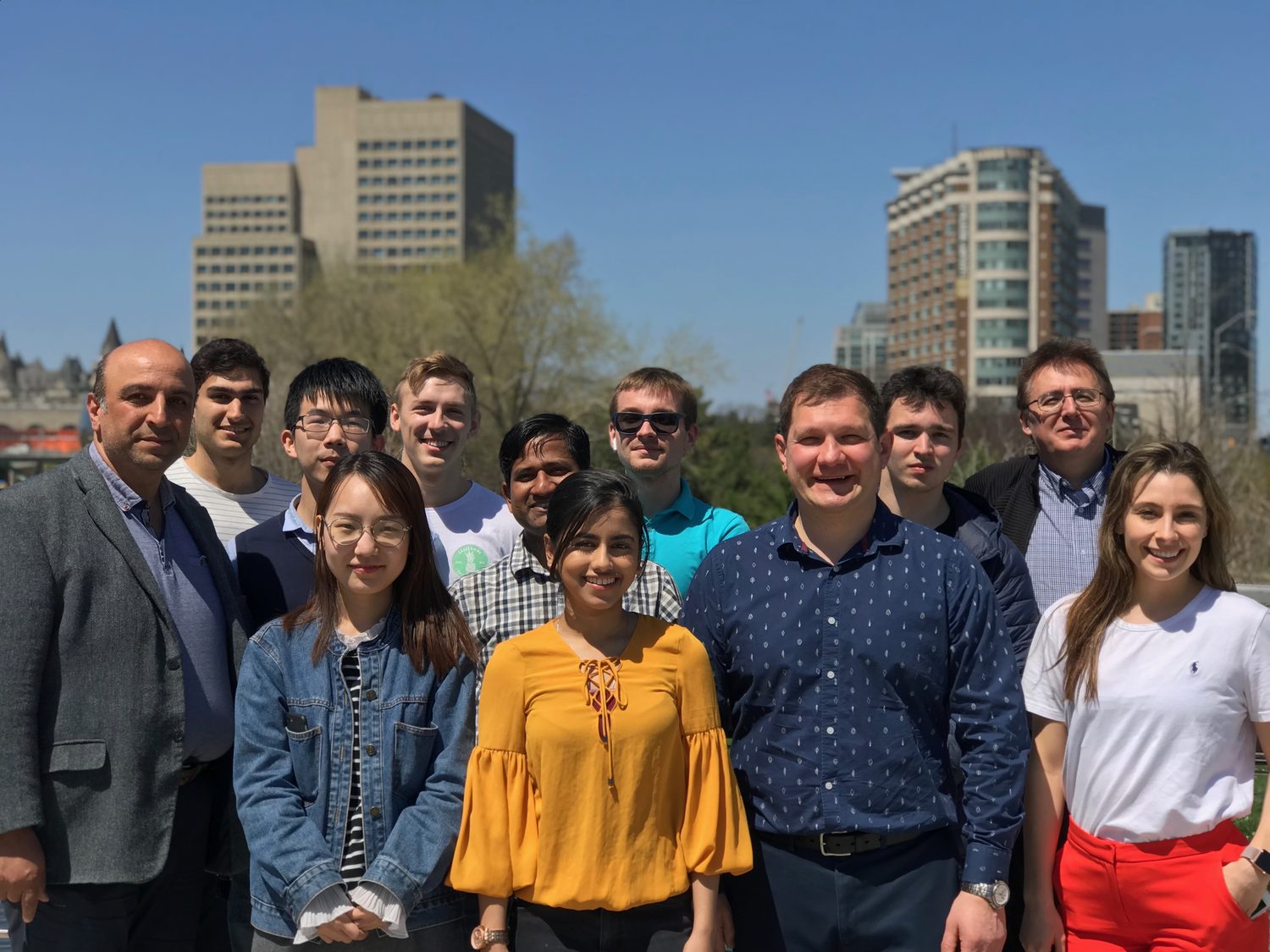

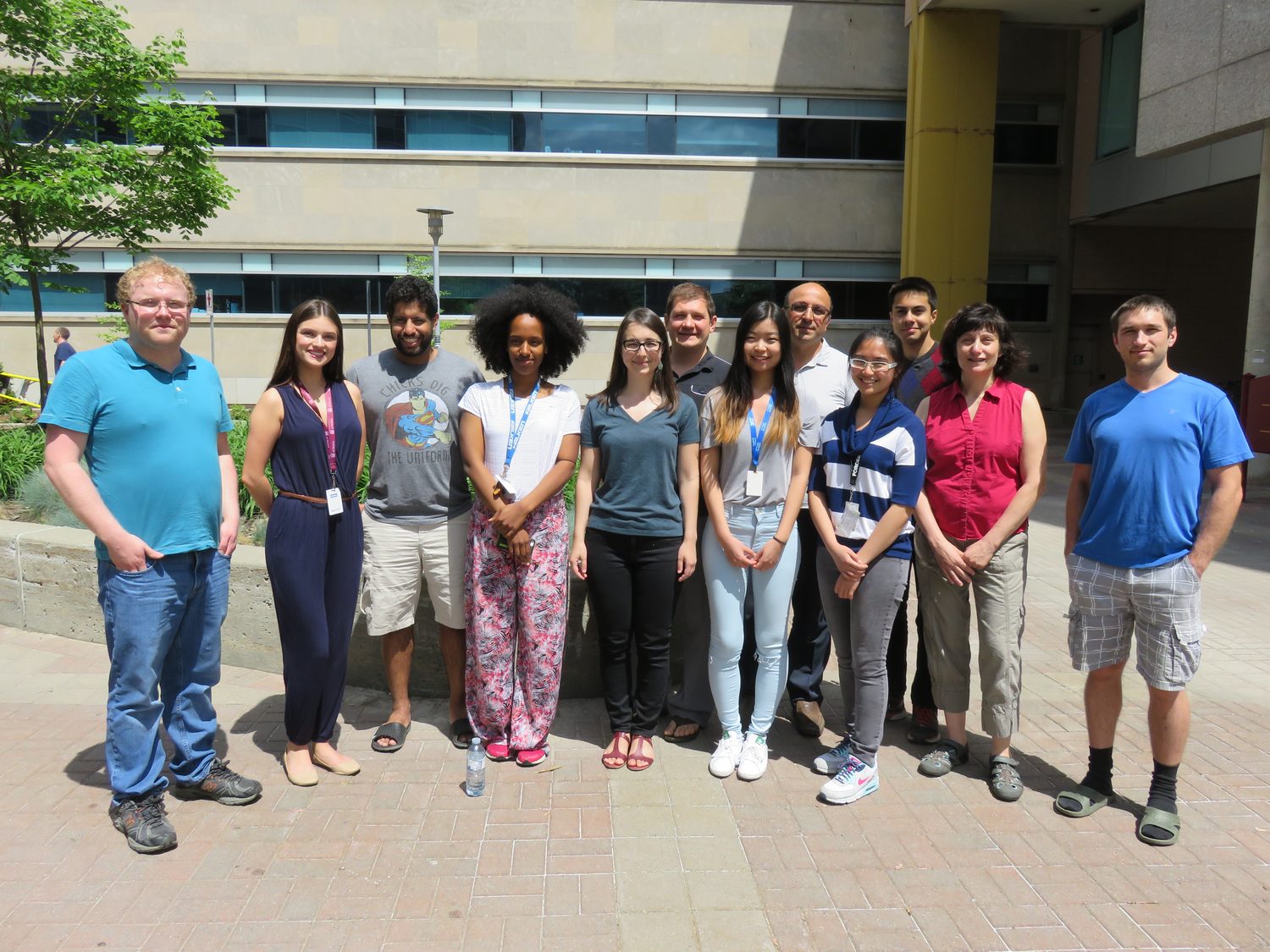
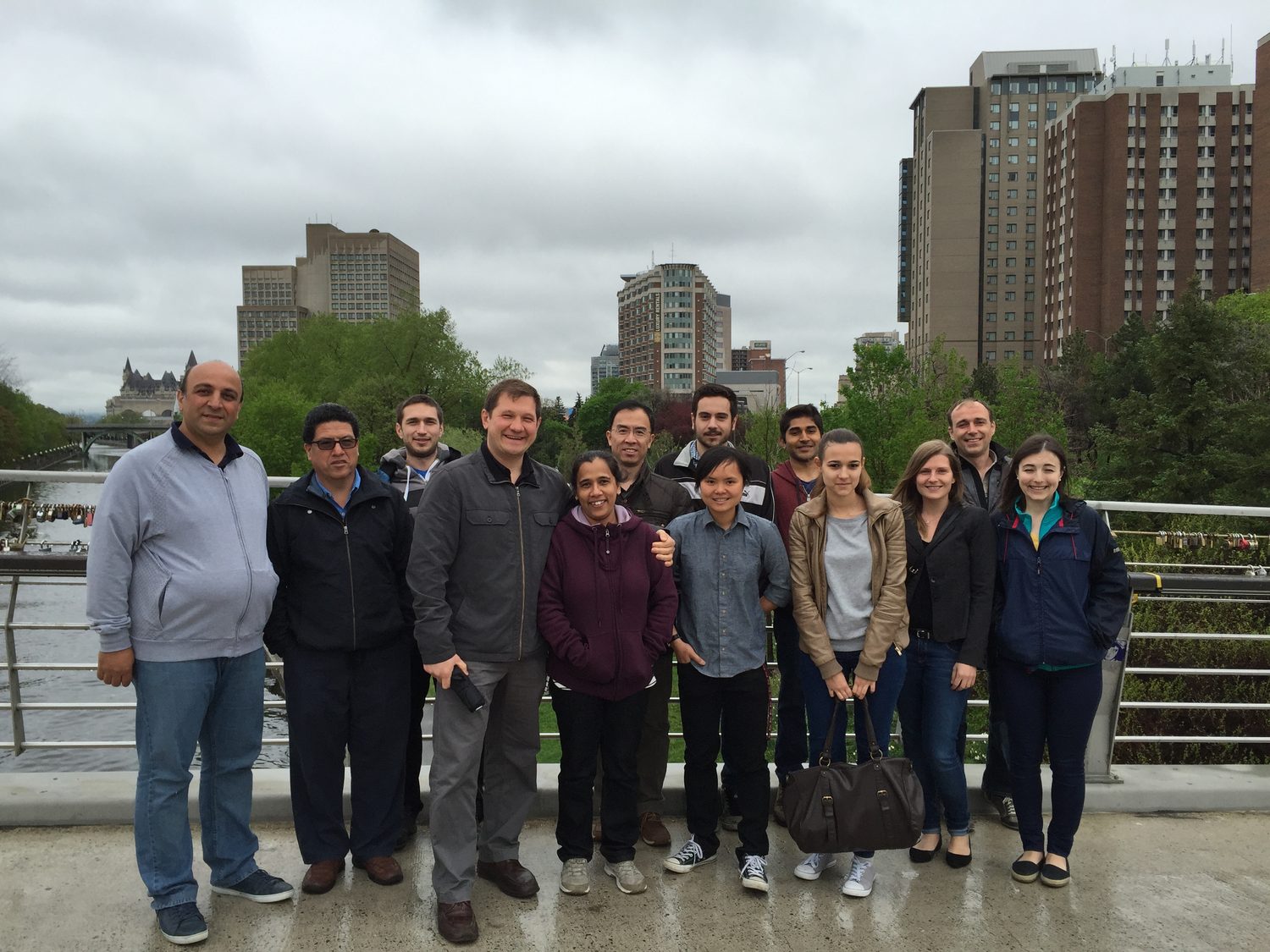
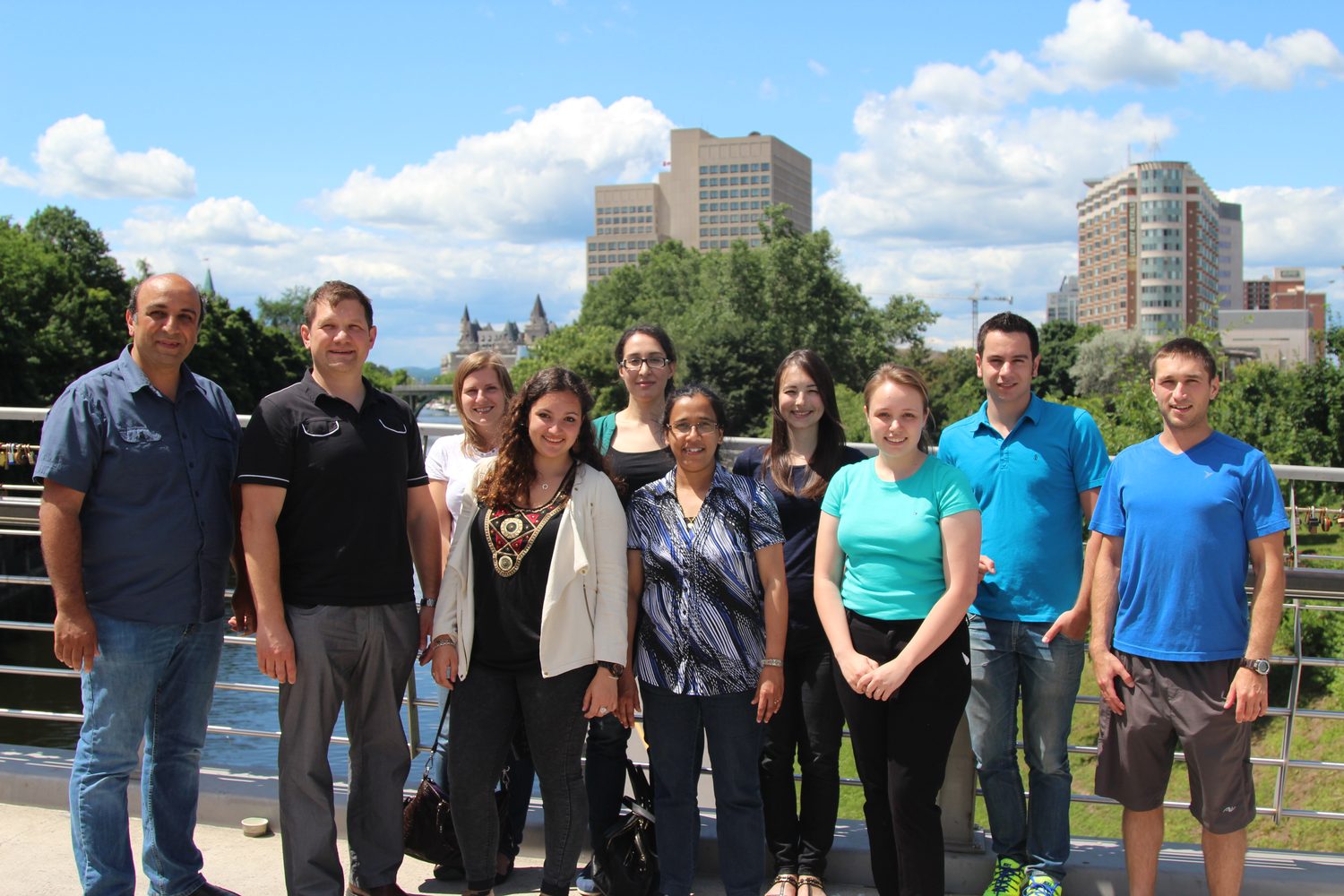
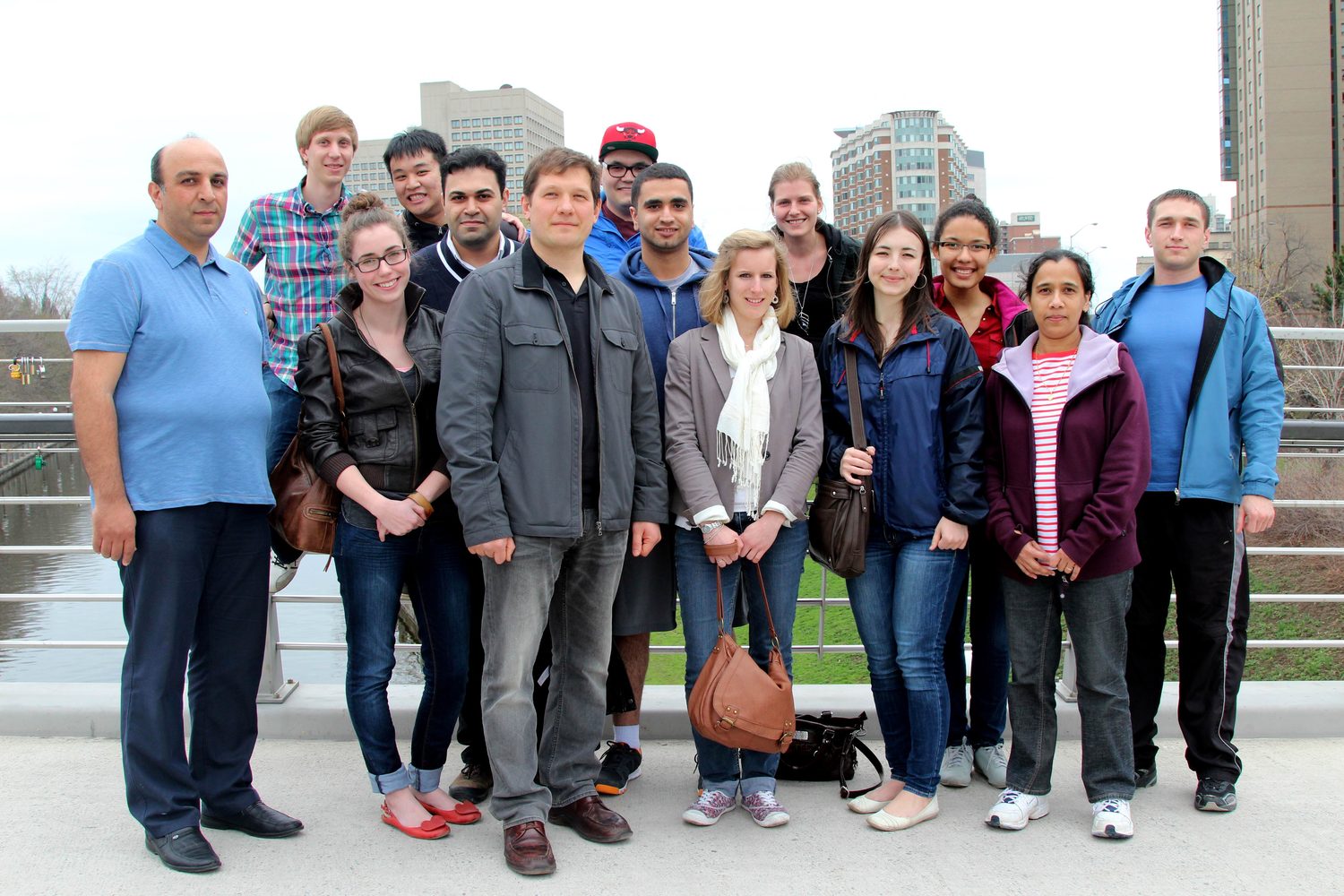
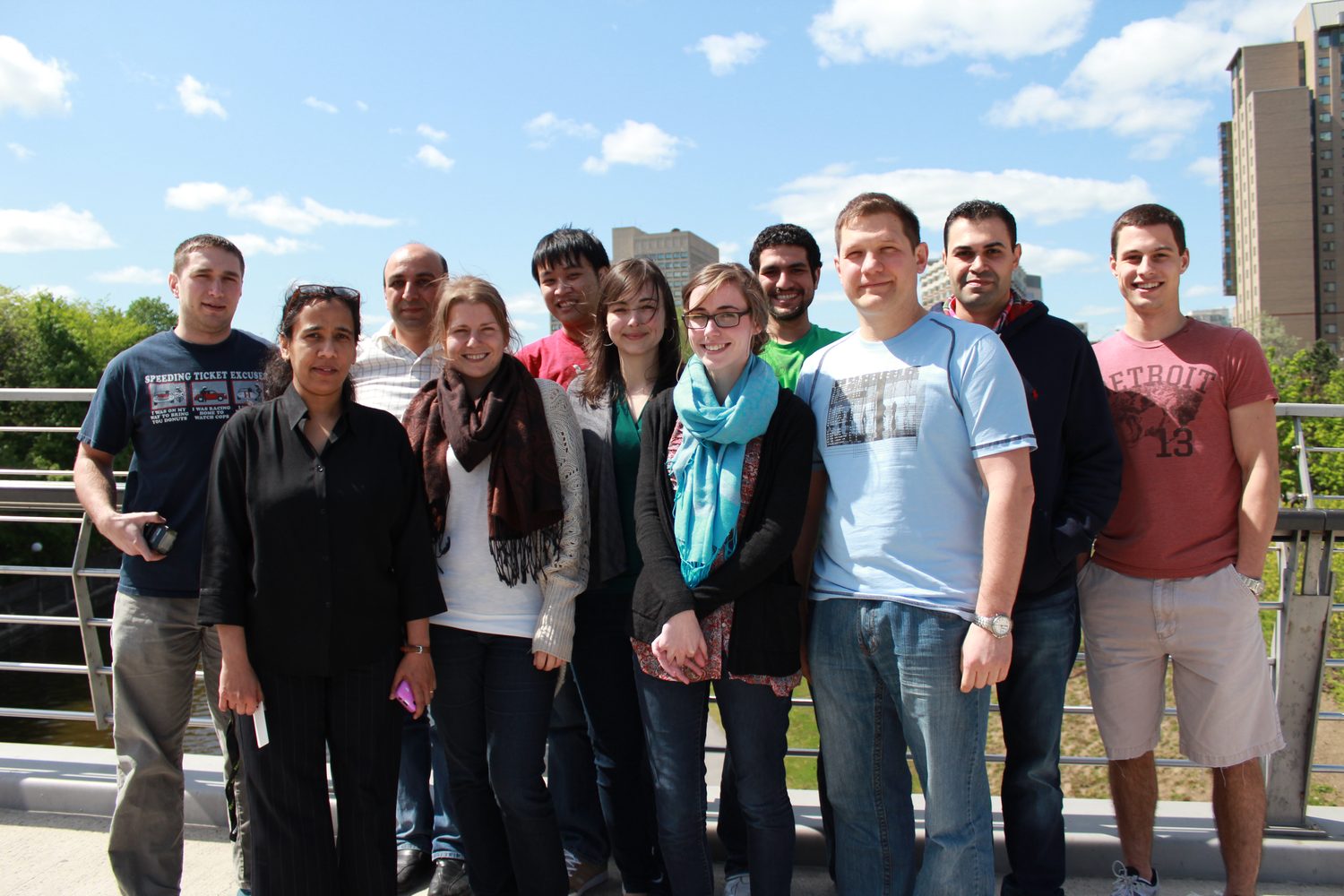
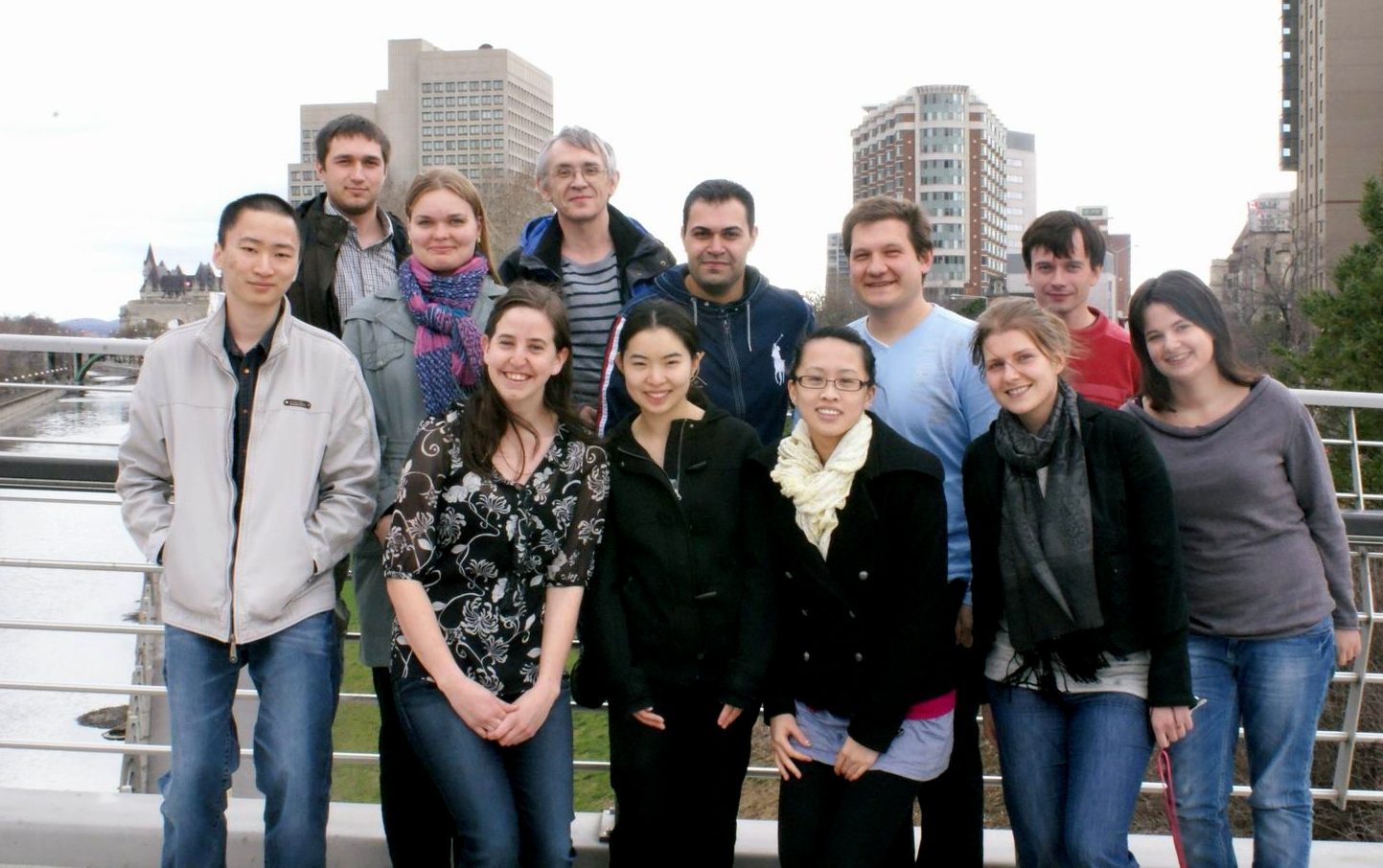
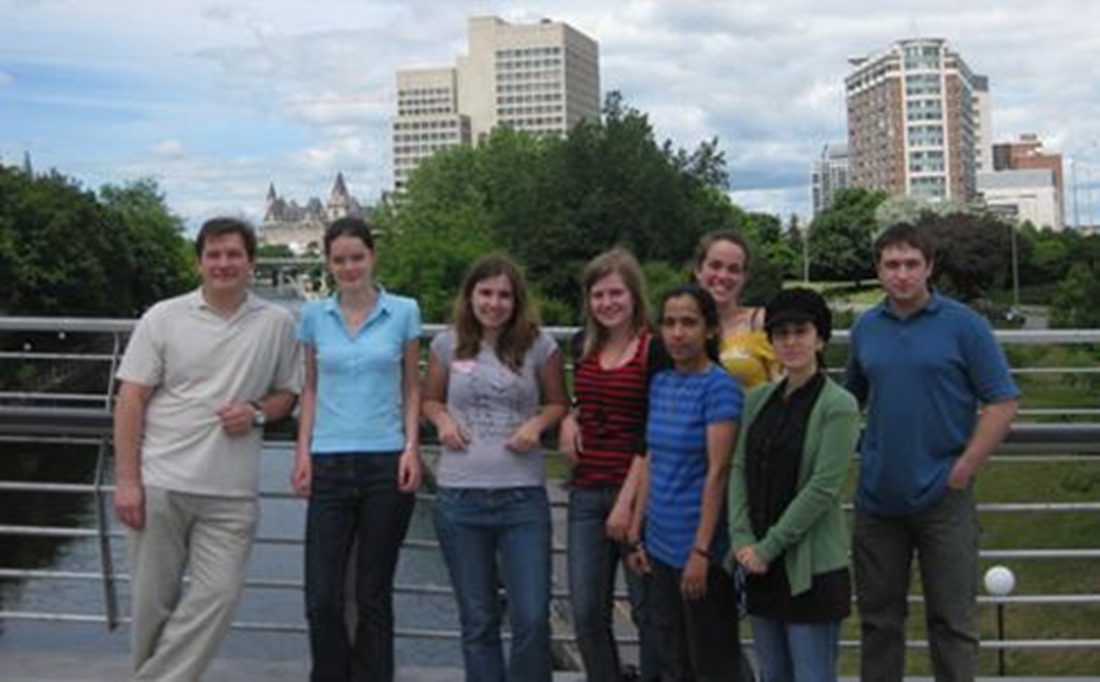
Group photos over the years — around campus, along the Rideau Canal, and on conference trips.






- Firelle Kouz — BSc honours project 2026–
- Ganna Elgohary — BSc honours project 2026–
- Kyle Côté — BSc honours project 2026–
- Lexandra Monkam — BSc honours project 2026–
- Nicole Meouch — BSc honours project 2026–
- Yeran Wang — BSc honours project, co-supervised with DNA Genotek 2026–
- Dr. Emil Zaripov — PDF, applications of CE and MS for bioanalytical chemistry 2024–26
- Dr. Nicholas LeBlond — PDF, plant-sourced high-performance fibres 2021–22
- Dr. Kiah Barton — PDF, plant-sourced high-performance fibres 2021–22
- Dr. Prabir Kumar Kulabhusan — PDF, aptamers to cancer-cell exosomes 2018–19
- Dr. Sabina Sperandio — Research associate 2016–17
- Dr. Pavel Milman — PDF, aptamer strip assay for peanut allergens 2014–16
- Dr. Mahmoud Labib — PDF, electrochemical biosensors 2011–14
- Dr. Victor Okhonin — Research associate, kinetic CE–MS 2010–12
- Dr. Anya Zamay — PDF, aptamer-facilitated virus protection 2011–12
- Emil Zaripov — Applications of CE and MS for bioanalytical chemistry 2017–24
- Suttinee Poolsup — DNA aptamers targeting SARS-CoV-2 proteins for label-free COVID-19 diagnostics 2018–23
- Shahrokh Ghobadloo — From virus protection to cell isolation and biomarker discovery with aptamers 2012–17
- Ana Gargaun — CE for separation of biomolecules and viruses 2011–16
- Gleb Mironov — CE–MS for bioanalysis 2010–15
- Nasrin Khan — Analysis of microRNAs in biological samples 2010–15
- Darija Muharemagic — Aptamers as enhancers of oncolytic virus therapy 2010–15
- Elnaz Yaghoobi — Aptamer-based biolayer-interferometry biosensors for cancer and viral biomarkers 2021–26
- Vanessa Martinez — Endocrine disruptors in the urine of female care professionals (co-supervised, Health Canada) 2023–25
- Abdullah Khraibah — Proteomic characterization of breast-cancer-derived small extracellular vesicles 2022–24
- Yingxi Li — MS-based proteomics: from wood-frog liver tissues to cancer-derived EVs 2021–24
- Rochelle D'Mello — Metabolite biomarkers in breast-cancer exosomes by LC–MS 2021–23
- Yuxuan (Carlos) Gu — Aptamers against SARS-CoV-2 nucleocapsid by CE 2021–23
- Gurcharan Uppal — Aptamers to SARS-CoV-2 N protein: CE vs BLI 2021–23
- Nico Hüttmann — Surface proteome of EVs for breast-cancer biomarkers 2018–22
- Vanessa Susevski — DNA aptamers targeting breast-cancer EVs 2018–20
- Lixuan Ren — CE methods for EVs from cancer cell lines and saliva 2018–20
- Yuchu Dou — Quantification and QC of EVs using CE 2018–20
- Yousef Risha — Proteomic analysis of exosomes from breast cell lines 2017–20
- Yaroslav Grechkin — Aptamer-facilitated biomarker discovery of leukemia cells 2017–19
- Evan Bushnik — Partially robotic selection of aptamers to glycophorin A 2015–18
- Thao Nguyen — Glycerophospholipids and sphingolipids in murine brain by LC–MS/MALDI 2014–17
- Nadia Al-Youssef — Aptamers to CD20 as inhibitors of complement-dependent cytotoxicity 2013–15
- Jake Campbell — HT-PELSA protein-binding profiles of plant secondary metabolites 2025–26
- Lauren Juneau — Proteomic & metabolomic profiling of glioma-derived exosomes 2025–26
- Maui Lintag — Visualization of glioma using silicon quantum dot–aptamer conjugates 2025–26
- Merola Seif — Affinity isolation of exosomes by aptamer-functionalized magnetic beads (Best Poster Award) 2024–25
- Nandanee Mulloo — Aptamer-based PLA for SARS-CoV-2 S1 protein detection 2024–25
- Alejandro Zayas Dodge 2023–24
- Karolina Kropop — Exosomal biomarkers in MCF-7 cells 2023–24
- Lawood Estin — AptaGO fluorescent biosensor for SARS-CoV-2 N protein 2023–24
- Léa Desbiens — Proteomics & metabolomics of EVs from breast cell lines 2023–24
- Samia Jahouri — Biomarkers for breast-cancer diagnosis from EVs 2023–24
- Benjamin Patrick Lapointe — Binding kinetics of an aptamer to SARS-CoV-2 spike S1 2022–23
- Kalem Holmes — Validation of aptamers to SARS-CoV-2 N protein 2022–23
- Tala Talhouni — Metabolomics of cisplatin-treated TNBC exosomes 2022–23
- Yasmin Hillyard — Fluorescent aptasensor for SARS-CoV-2 N protein 2022–23
- Adélaïde Gunn — Undergraduate research scholarship 2021–22
- Amy Bradbrook — Undergraduate research scholarship 2022
- Drake Johnson-Scherger — Aptamers to SARS-CoV-2 nucleocapsid 2021–22
- Wenhao Zhao — Aptamers for IgG antibody using CE 2021–22
- Aasha Jawad — Aptamers binding SARS-CoV-2 N protein 2021–22
- Heather Sharp — Testing aptamer binding to SARS-CoV-2 N protein 2021–22
- Abdullah Khraibah — Proteomics of EVs from HCoV-229E-infected cells 2020–21
- Renad Al-Ghazawi — Multi-omics of MCF-10A-derived EVs 2020–21
- Nan Chen — DNA aptamers to SARS-CoV-2 2020–21
- Rigel Shulist — ssDNA aptamer selection to SARS-CoV-2 spike via CE-SELEX 2020–21
- Riya Shah — Aptamers to healthy human saliva exosomes 2018–19
- Mubarrat Murshida Haider — Aptamers to T-lymphoblast-derived exosomes 2018–19
- Ahmed Ibrahim — Rapid detection of exosomes via qCE-LIF 2017–18
- Alem Gebeyehu — Isolation of the Sgc8 aptamer target 2017–18
- Hayley Sprigings — Aptamers to exosomes from colorectal carcinoma cells 2017–18
- Gaganvir Parmar — NSERC USRA; aptamers to tumour-derived exosomes 2017
- Angelique Masibag — Aptamer selection for AXL receptor and IgG Fc 2016–17
- Sean McCabe — Aptamers for detection of peanut allergens 2015–16
- Zerin Mahzabin Khan — Aptamers to human red blood cells for drug delivery 2015–16
- Sarah Mclaughlin — Cold-switchable aptamers for LIFR-expressing cells 2014–15
- Suzy Kosteniuk — Selected topics on aptamer research 2013–14
- Noreen Ahmed — NSERC USRA; aptamer selection for CD44 2013–14
- Nadine Ahmed — Aptamer selection for Hedgehog receptor PTCH1 2013–14
- Victor Souob — Aptamers for thyroid-cancer diagnosis 2013–14
- Rebecca Katherine Casselman — Aptamers for CD44 and CD24 2012–13
- Marco Cavar — Latex agglutination aptamer detection of viruses 2012–13
- Danny Pau — Anti-CD38 and anti-CD52 aptamers on live lymphocytes 2012–13
- Ali Farhan — Aptamers for serum thyroglobulin with autoantibodies 2012–13
- Gregory Bala — Separation of microRNAs using MEKC-CE-LIF 2012–13
- Alexander Mungham — NSERC USRA; enzyme profiling of aminotransferases by CE–MS 2012
- Afnan Azizi — Viral quantitative CE for RNA viruses; NSERC USRA 2011–12
- Mohamed Wehbe — Switchable aptamers for purification of VSV 2011–12
- Kaylee Fiset — Aptamer selection for VSV receptors on Vero cells 2011–12
- Oguzcan Koyuturk — CE–MS for high-throughput drug-candidate screening 2011–12
- Xiaoyan (Jenny) Wang — Aptamers to Salmonella enteritidis and typhimurium 2011–12
- Di Zheng — Aptamers against oncolytic Vaccinia virus 2011–12
- Nadia Hassani — Mutant-specific aptamers against live E. coli 2010–11
- Siu-Yan Lee — Aptamers to anti-VSV antibodies 2010–11
- Joanne Lee — Aptamer selection for human serum albumin 2010–11
- Jennifer Logie — Rate/equilibrium constants of β-cyclodextrin–drug interactions by CE 2010–11
- Andrea Robinson — Aptamer selection for JX-594 virus 2010–11
- Krystle Talbot — COOP student 2010
- Devin Tonelli — Protein-mediated analysis of microRNA with CE 2010
- Giulia Vitale — visiting MSc student, University of Naples, Italy 2026
- Koji Wakui — visiting researcher, Daiichi Sankyo Co., Japan 2025–26
- Alessandra Martucci — visiting MSc student, University of Naples, Italy 2024
- Emanuele Musella — visiting undergraduate, University of Naples, Italy 2023
- Chloe Thibault — PTMs of proteins in EVs across cancer cell lines 2021–22
- Marion Donnet — CE-SELEX of aptamers; visiting from France 2015
- Eva Bernard — direct quantitation of viruses with CE; France 2014
- Cécile Rodier — direct quantitation of viruses with CE; France 2014
- Raíssa Caldeira — aptamers for cancer cells; visiting from Brazil 2013
- Lucille Blanchot — analysis of microRNA with CE; France 2013
- Alexey Chechik — research assistant; aptamers to oncolytic viruses 2010–12
- Yury Glazyrin — research assistant; CE–MS of proteins and peptides 2011–12
- Anna Savitskaya — aptamers for fungi; visiting from Russia 2011
- Laura Kerne — aptamers for CD83; visiting from France 2011
- Fanny Guillerme — aptamers for CD83; visiting from France 2010
- Ignacio Islas Flores — visiting scientist, CICY, Mexico 2015–16
Publications
More than 130 peer-reviewed articles, 7 book chapters and 4 patents. The complete, always-current list is on Google Scholar.
Featured on the cover
Journal covers
Research from the lab selected for journal cover features.

Selected high-impact articles
Highlights
- Quintavalle et al.. Proteomic profiling of extracellular vesicles in ST-elevation acute myocardial infarction Cardiovascular Research IF 13.3
- Zamay et al.. Visualization of brain tumors with infrared-labeled aptamers for fluorescence-guided surgery J. Am. Chem. Soc. 146, 24989 IF 14.8
- Zaripov et al.. Simultaneous detection of SARS-CoV-2 nucleocapsid protein and RNA by aptamer-based proximity ligation and qPCR Analytical Chemistry 98, 2825 Cover
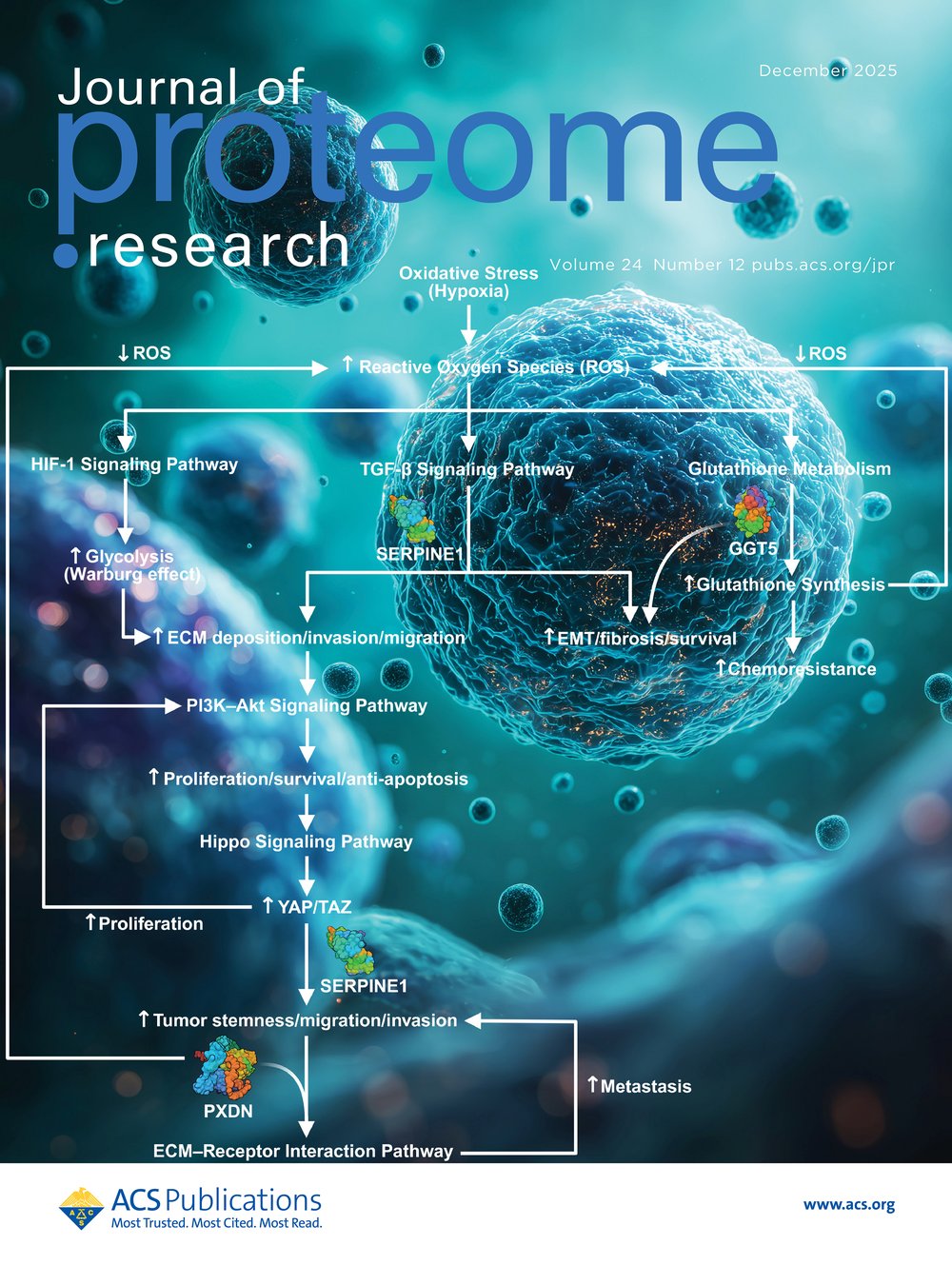
- Khraibah et al.. Comprehensive proteomic profiling of triple-negative breast cancer sEVs reveals PXDN and GGT5 as novel markers J. Proteome Research 24, 6045 Cover
- Mironov et al.. Structure- and interaction-based design of anti-SARS-CoV-2 aptamers Chem. Eur. J. 28, e202104481 Cover
- Ozerskaya et al.. 11C-radiolabeled aptamer for imaging of tumors and metastases using PET/CT Mol. Ther. Nucleic Acids 26, 1159 Cover
- Risha et al.. Proteomic analysis of breast cell line exosomes reveals disease patterns and potential biomarkers Scientific Reports 10, 13572 Top 100 Cancer
- Mironov et al.. Simultaneous analysis of enzyme structure and activity by kinetic capillary electrophoresis-MS Nature Chemical Biology 12, 918 IF 15.1
Complete list
All journal articles
Reverse-chronological. * denotes corresponding author.
- 135Shukla et al.. Smart interfaces for circulating tumor cell capture, release and on-chip analysis: from principles to clinical translation Analytical Chemistry 2026, 98, 25477-25496
- 134Medić et al.. Integrated physiological and proteomic insights into PFOA responses in wheat roots Earth Systems and Environment 2026
- 133Kosinova et al.. Recent advances in aptamer-based applications in cardiology Int. J. Mol. Sci. 2026, 27, 2580
- 132Lješević et al.. Insights into adaptation mechanisms and survival strategies of Pseudomonas chlororaphis subsp. aurantiaca: a comparative proteomic study under PFOA exposure Ecotoxicology and Environmental Safety 2026, 311, 119859
- 131Quintavalle et al.. Proteomic profiling of extracellular vesicles in ST-elevation acute myocardial infarction Cardiovascular Research 2026
- 130Poolsup et al.. Aptamer-based approaches for sensitive detection and epitope mapping of SARS-CoV-2 spike protein Mol. Ther. Nucleic Acids 2026, 37
- 129Zaripov et al.. Simultaneous detection of SARS-CoV-2 nucleocapsid protein and RNA by aptamer-based proximity ligation and qPCR Analytical Chemistry 2025 Cover
- 128Gorbushin et al.. Drug-induced partial immunosuppression for preclinical human tumor xenograft models Cancers 2025, 17, 4025
- 127De Luca et al.. Fibroblasts activated by miR-185-5p, miR-652-5p and miR-1246 shape the TNBC microenvironment via PATZ1 Cellular and Molecular Life Sciences 2025, 82, 287
- 126Khraibah et al.. Comprehensive proteomic profiling of TNBC-derived small extracellular vesicles unveils PXDN and GGT5 J. Proteome Research 2025 Cover
- 125Luzan et al.. Innovative aptamer approaches in glial tumor diagnostics and therapy Mol. Ther. Nucleic Acids 2025, 36
- 124Krat et al.. Targeting CTC heterogeneity: aptamer-based liquid biopsy predicts outcome in lung cancer Cancers 2025, 17, 3244
- 123Elsukova et al.. Intermittent cold exposure induces distinct proteomic signatures in white adipose tissue of mice Int. J. Mol. Sci. 2025, 26, 7898
- 122Zaripov et al.. CE-MS metabolomic and LC-MS proteomic analyses of breast cancer exosomes reveal purine and carnitine alterations J. Proteome Research 2025, 24, 2505 Cover
- 121Quintavalle et al.. Ex.50.T aptamer impairs tumor-stroma cross-talk in breast cancer by targeting gremlin-1 Cell Death Discovery 2025, 11, 94
- 120Galindo-Luján et al.. Characterization of raw and processed quinoa by label-free shotgun proteomics J. Agric. Food Chem. 2025, 73, 2669
- 119Medić et al.. Total proteome and calcium-binding proteins from human breast milk: exploring the impact of tobacco smoke exposure and environmental factors Food Chemistry 2025, 142959
- 118Zamay et al.. Systemic mechanisms of ionic regulation in carcinogenesis Cancers 2025, 17, 286
- 117Salim et al.. On-line aptamer affinity SPE-CE-MS for SARS-CoV-2 nucleocapsid protein Microchemical Journal 2025, 208, 112505
- 116Koshmanova et al.. Aptamer structure optimization for better diagnosis and treatment of glial tumors Cancers 2024, 16, 4111
- 115D'Mello et al.. Untargeted metabolomic profiling of small extracellular vesicles reveals new TNBC biomarkers Metabolomics 2024, 20, 123
- 114Berezovski. Breaking bad aggregates: how a DNA aptamer cleans up Parkinson's disease Mol. Ther. Nucleic Acids 2024, 35
- 113Zamay et al.. Visualization of brain tumors with infrared-labeled aptamers for fluorescence-guided surgery J. Am. Chem. Soc. 2024, 146, 24989
- 112Glazyrin et al.. Comparative proteomic profiling of blood plasma in temporal lobe epilepsy Int. J. Mol. Sci. 2024, 25, 7935
- 111Li et al.. Proteomic analysis of Rana sylvatica reveals differentially expressed proteins under anoxia, dehydration or freezing Scientific Reports 2024, 14, 15388
- 110Navals et al.. Conformational modulation of tissue transglutaminase via active-site thiol alkylating agents Biomolecules 2024, 14, 496
- 109Affinito et al.. MCT4-driven CAF-mediated metabolic reprogramming in breast cancer is targetable by miR-425-5p Cell Death Discovery 2024, 10, 140
- 108Muratov et al.. DFT-enabled development of hemilabile (P∧N) ligands for gold(I/III) redox catalysis J. Am. Chem. Soc. 2024, 146, 3660
- 107Uppal et al.. Comparative analysis of aptamers binding SARS-CoV-2 N protein by CE and BLI Anal. Bioanal. Chem. 2024
- 106Hüttmann et al.. Surface proteome of extracellular vesicles and correlation analysis reveal breast cancer biomarkers Cancers 2024, 16, 520
- 105Kolovskaya et al.. Monitoring of breast cancer progression via aptamer-based detection of circulating tumor cells Front. Mol. Biosci. 2023, 10
- 104Minic et al.. Lysine acetylome of breast cancer-derived small extracellular vesicles Biomedicines 2023, 11, 1076
- 103Kichkailo et al.. Development of DNA aptamers for visualization of glial brain tumors and detection of CTCs Mol. Ther. Nucleic Acids 2023, 32, 267
- 102Izrael Zivkovic et al.. Proteomics analysis of the response of Pseudomonas aeruginosa to nanoceria cytotoxicity Nanotoxicology 2023
- 101Poolsup et al.. Discovery of DNA aptamers targeting SARS-CoV-2 nucleocapsid protein and binding epitopes Mol. Ther. Nucleic Acids 2023, 31, 731
- 100Tzec-Simá et al.. Potential of omics to control diseases and pests in the coconut tree Agronomy 2022, 12, 3164
- 99Zamay et al.. Nucleic acid aptamers increase anticancer efficiency and reduce toxicity of cisplatin-arabinogalactan conjugates Nucleic Acid Ther. 2022
- 98Provost et al.. Three granule preparation methods for proteomic analysis of mature rice starch grain Molecules 2022, 27, 3307
- 97Glazyrin et al.. CE coupled with ion mobility MS for discrete detection of sequence-isomeric peptides Separations 2022, 9, 106
- 96Medić et al.. Flexibility of carbon catabolic pathways of P. aeruginosa san ai via multi-omics Microbiological Research 2022, 259, 126998
- 95Pane et al.. Comparative proteomic profiling of EVs from breast fibroadenoma and malignant lesions Int. J. Mol. Sci. 2022, 23, 3989
- 94Allameh et al.. Hemojuvelin deficiency promotes liver mitochondrial dysfunction and predisposes mice to HCC Communications Biology 2022, 5, 153
- 93Minic et al.. Phosphoproteomic analysis of breast cancer-derived small extracellular vesicles Biomedicines 2022, 10, 408
- 92Mironov et al.. Structure- and interaction-based design of anti-SARS-CoV-2 aptamers Chem. Eur. J. 2022, 28, e202104481 Cover
- 91Ozerskaya et al.. 11C-radiolabeled aptamer for imaging of tumors and metastases using PET/CT Mol. Ther. Nucleic Acids 2021, 26, 1159 Cover
- 90Shabalina et al.. Development of an electrochemical aptasensor for lung cancer diagnostics in human blood Sensors 2021, 21, 7851
- 89Morozov et al.. The role of SAXS and molecular simulations in 3D structure elucidation of a DNA aptamer Mol. Ther. Nucleic Acids 2021, 25, 316
- 88Dou et al.. Quantitative capillary electrophoresis for analysis of extracellular vesicles (EVqCE) Separations 2021, 8, 110
- 87Zaripov et al.. Single-run separation and quantification of 14 cannabinoids using capillary electrophoresis Separations 2021, 8, 30
- 86Risha et al.. Breast cancer-derived microvesicles are the source of functional metabolic enzymes Biomedicines 2021, 9
- 85Galindo-Luján et al.. Characterization of quinoa seed proteomes by label-free shotgun proteomics Food Chemistry 2021, 363, 130250
- 84Bakhtina et al.. Proteomics-based regression model for assessing development of chronic lymphocytic leukemia Proteomes 2021, 9
- 83Zamay et al.. Nucleic acid aptamers for molecular therapy of epilepsy and blood-brain barrier damage Mol. Ther. Nucleic Acids 2020, 19, 157
- 82Risha et al.. The proteomic analysis of breast cell line exosomes reveals disease patterns and potential biomarkers Scientific Reports 2020, 10, 13572 Top 100 Cancer
- 81Pero-Gascón et al.. On-line aptamer affinity SPE-CE-MS for the analysis of blood alpha-synuclein Anal. Chem. 2020, 92, 1525
- 80Lupu et al.. Molecular epitope determination of aptamer complexes of the multidomain protein c-Met ChemMedChem 2020, 15, 363 Cover
- 79Kolovskaya et al.. Aptamer-conjugated superparamagnetic nanoparticles for magnetodynamic therapy of cancer Cancers 2020, 12
- 78Grechkin et al.. Aptamer-conjugated Tb(III)-doped silica nanoparticles for luminescent detection of leukemia cells Biomedicines 2020, 8
- 77Glazyrin et al.. Proteomics-based machine learning for differential diagnosis of chronic kidney diseases Int. J. Mol. Sci. 2020, 21
- 76Affinito et al.. Targeting EphA2 with a selective aptamer for glioblastoma stem cells Mol. Ther. Nucleic Acids 2020, 20, 176
- 75Zamay et al.. Development of DNA aptamers to native EpCAM for isolation of lung circulating tumor cells Cancers 2019, 11
- 74Tomilin et al.. Four steps for revealing and adjusting the 3D structure of aptamers by SAXS and simulation Anal. Bioanal. Chem. 2019, 411, 6723
- 73Burgos-Canul et al.. The cell wall proteome from two strains of Pseudocercospora fijiensis World J. Microbiol. Biotechnol. 2019, 35, 105
- 72Pero-Gascón et al.. Analysis of circulating microRNAs and their modifications by on-line SPE-CE-MS Anal. Chem. 2018, 90, 6618
- 71Mironov et al.. Aptamer-facilitated mass cytometry Anal. Bioanal. Chem. 2018, 410, 3047
- 70Zamay et al.. Current and prospective protein biomarkers of lung cancer Cancers 2017, 9
- 69Zamay et al.. Noninvasive microsurgery using aptamer-functionalized magnetic microdisks for tumor cell eradication Nucleic Acid Ther. 2017, 27, 105
- 68Zamay et al.. DNA aptamers for the characterization of histological structure of lung adenocarcinoma Mol. Ther. Nucleic Acids 2017, 6, 150
- 67Nozari & Berezovski. Aptamers for CD antigens: from cell profiling to activity modulation Mol. Ther. Nucleic Acids 2017, 6, 29
- 66Kolovskaya et al.. Aptamer-targeted plasmonic photothermal therapy of cancer Mol. Ther. Nucleic Acids 2017, 9, 12
- 65Belyanina et al.. In vivo cancer cell elimination guided by aptamer-functionalized gold-coated magnetic nanoparticles Theranostics 2017, 7, 3326
- 64Zamay et al.. Electrochemical aptasensor for lung cancer-related protein detection in crude blood plasma Scientific Reports 2016, 6, 34350
- 63Mironov et al.. Simultaneous analysis of enzyme structure and activity by kinetic capillary electrophoresis-MS Nat. Chem. Biol. 2016, 12, 918
- 62Khan et al.. Direct detection of endogenous microRNAs and their modifications by CE-MS Anal. Bioanal. Chem. 2016, 408, 2891
- 61Al-Youssef et al.. Inhibition of complement-dependent cytotoxicity by anti-CD20 aptamers RSC Advances 2016, 6, 12435
- 60Zamay et al.. Aptamers selected to postoperative lung adenocarcinoma detect circulating tumor cells in human blood Mol. Ther. 2015, 23, 1486
- 59Wehbe et al.. Switchable aptamers for biosensing and bioseparation of viruses (SwAps-V) Biosens. Bioelectron. 2015, 67, 280
- 58Sperandio et al.. TOE1 is an inhibitor of HIV-1 replication with cell-penetrating capability Proc. Natl. Acad. Sci. USA 2015, 112, E3392
- 57Labib et al.. Protein electrocatalysis for direct sensing of circulating microRNAs Anal. Chem. 2015, 87, 1395
- 56Labib & Berezovski. Electrochemical sensing of microRNAs: avenues and paradigms Biosens. Bioelectron. 2015, 68, 83
- 55Iqbal et al.. Detection of Cryptosporidium parvum oocysts on fresh produce using DNA aptamers PLoS One 2015, 10, e0137455
- 54Zamay et al.. DNA-aptamer targeting vimentin for tumor therapy in vivo Nucleic Acid Ther. 2014, 24, 160
- 53Muharemagic et al.. Aptamer-facilitated protection of oncolytic virus from neutralizing antibodies Mol. Ther. Nucleic Acids 2014, 3, e167
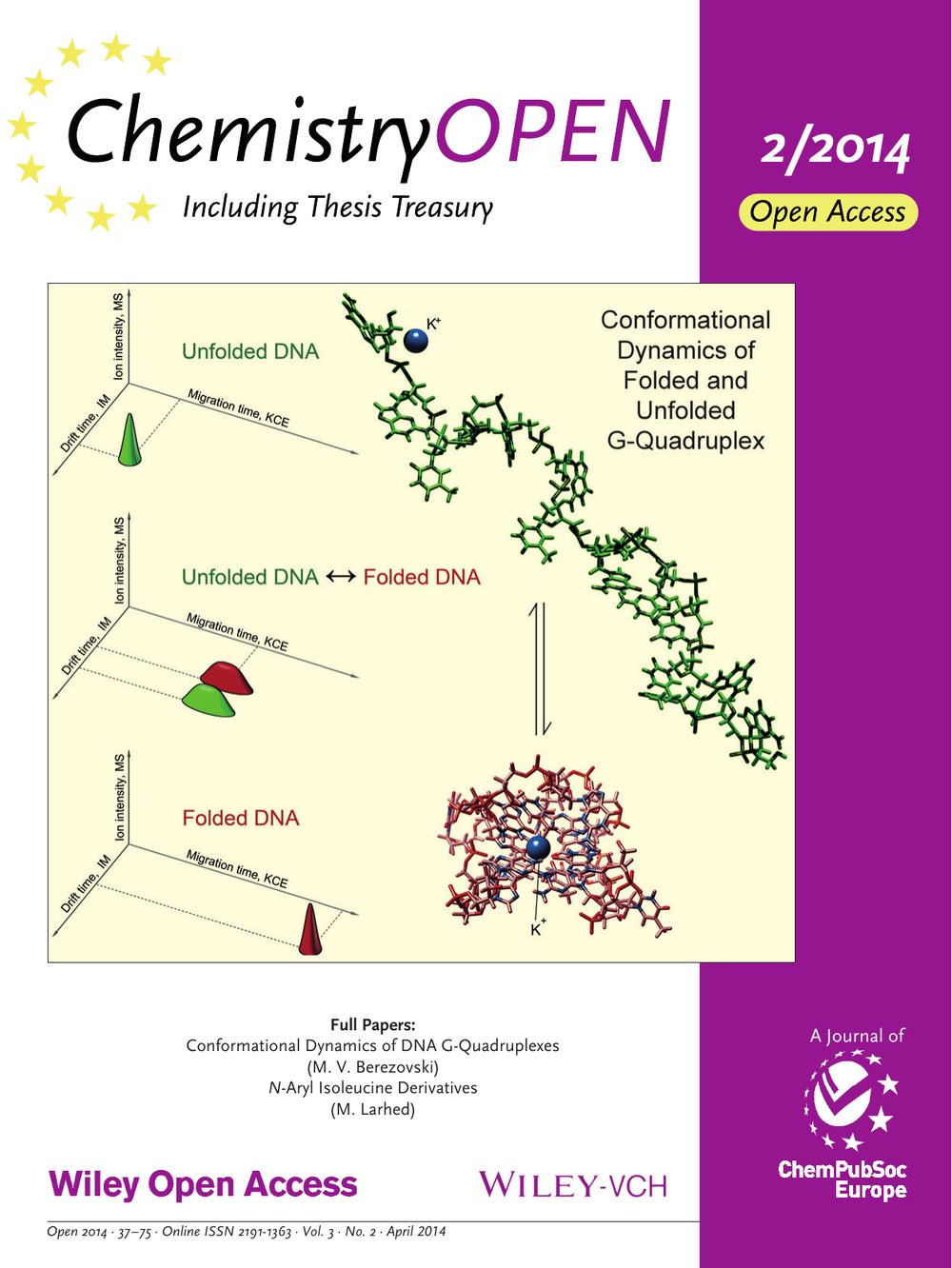
- 52Mironov et al.. Conformational dynamics of DNA G-quadruplex in solution by kinetic CE-MS ChemistryOpen 2014, 3, 58 Cover
- 51Ghobadloo et al.. Aptamer-facilitated cryoprotection of viruses ACS Med. Chem. Lett. 2014, 5, 1240
- 50Ghobadloo et al.. Carbohydrate-based ice recrystallization inhibitors increase infectivity and thermostability of viral vectors Scientific Reports 2014, 4, 5903
- 49Nault et al.. Assessment of energetic costs of AhR activation in rainbow trout hepatocytes Toxicol. Appl. Pharmacol. 2013, 271, 86
- 48Mironov et al.. Bioanalysis for biocatalysis: multiplexed CE-MS assay for aminotransferase substrate discovery J. Am. Chem. Soc. 2013, 135, 13728
- 47Labib et al.. Multifunctional electrochemical aptasensor for clone screening, virus quantitation and viability Analyst 2013, 138, 1865
- 46Labib et al.. Three-mode electrochemical sensing of ultralow microRNA levels J. Am. Chem. Soc. 2013, 135, 3027
- 45Labib et al.. Four-way junction formation promoting ultrasensitive electrochemical detection of microRNA Anal. Chem. 2013, 85, 9422
- 44Kolovskaya et al.. Development of bacteriostatic DNA aptamers for Salmonella J. Med. Chem. 2013, 56, 1564
- 43Giamberardino et al.. Ultrasensitive norovirus detection using DNA aptasensor technology PLoS One 2013, 8, e79087
- 42Renaud et al.. Molecular conformation and energetics in gas-phase non-covalent polymer/amine complexes Phys. Chem. Chem. Phys. 2012, 14, 165
- 41Muharemagic et al.. Anti-Fab aptamers for shielding virus from neutralizing antibodies J. Am. Chem. Soc. 2012, 134, 17168
- 40Mironov et al.. Comparative study of three methods for affinity measurements: CE-UV, CE-MS and direct infusion MS J. Am. Soc. Mass Spectrom. 2012, 23, 1232
- 39Labib et al.. Aptamer-based viability impedimetric sensor for viruses Anal. Chem. 2012, 84, 1813
- 38Labib et al.. Electrochemical differentiation of epitope-specific aptamers Anal. Chem. 2012, 84, 2548
- 37Labib et al.. Electrochemical sensing of aptamer-facilitated virus immunoshielding Anal. Chem. 2012, 84, 1677
- 36Labib et al.. Aptamer-based impedimetric sensor for bacterial typing Anal. Chem. 2012, 84, 8114
- 35Labib et al.. Aptamer-based viability impedimetric sensor for bacteria Anal. Chem. 2012, 84, 8966
- 34Clouthier et al.. Real-time monitoring of protein conformational dynamics using kinetic capillary electrophoresis Angew. Chem. Int. Ed. 2012, 51, 12464
- 33Berezovski & Mironov. Utility of kinetic CE-MS to study protein dynamics and affinity interactions Expert Rev. Proteomics 2012, 9, 477
- 32Azizi et al.. Viral quantitative capillary electrophoresis for counting and quality control of RNA viruses Anal. Chem. 2012, 84, 9585
- 31Mironov et al.. Revealing equilibrium and rate constants of weak and fast noncovalent interactions Anal. Chem. 2011, 83, 2364
- 30Mironov et al.. Viral quantitative capillary electrophoresis for counting intact viruses Anal. Chem. 2011, 83, 5431
- 29Khan et al.. Quantitative analysis of microRNA in blood serum with protein-facilitated affinity CE Anal. Chem. 2011, 83, 6196
- 28Okhonin et al.. MASKE: macroscopic approach to studying kinetics at equilibrium J. Am. Chem. Soc. 2010, 132, 7062
- 27Yunusov et al.. Kinetic capillary electrophoresis-based affinity screening of aptamer clones Anal. Chim. Acta 2009, 631, 102
- 26Javaherian et al.. Selection of aptamers for a protein target in cell lysate and their application to purification Nucleic Acids Res. 2009, 37, e62
- 25Drabovich et al.. Selection of smart small-molecule ligands: the proof of principle Anal. Chem. 2009, 81, 490
- 24Wong et al.. Inject-mix-react-separate-and-quantitate (IMReSQ) method for screening enzyme inhibitors J. Am. Chem. Soc. 2008, 130, 11862
- 23Berezovski et al.. Aptamer-facilitated biomarker discovery (AptaBiD) J. Am. Chem. Soc. 2008, 130, 9137
- 22Drabovich et al.. Smart aptamers facilitate multi-probe affinity analysis of proteins with ultra-wide dynamic range J. Am. Chem. Soc. 2007, 129, 7260
- 21Berezovski et al.. Cell lysis inside the capillary facilitated by transverse diffusion of laminar flow profiles (TDLFP) Anal. Bioanal. Chem. 2007, 387, 91
- 20Woolley et al.. Reversible photocontrol of DNA binding by a designed GCN4-bZIP protein Biochemistry 2006, 45, 6075
- 19Pang et al.. Selection of surfactants for cell lysis in chemical cytometry Electrophoresis 2006, 27, 1489
- 18Okhonin et al.. Plug-plug kinetic capillary electrophoresis: direct determination of rate constants Anal. Chem. 2006, 78, 4803
- 17Drabovich et al.. Selection of smart aptamers by methods of kinetic capillary electrophoresis Anal. Chem. 2006, 78, 3171
- 16Berezovski et al.. Non-SELEX: selection of aptamers without intermediate amplification Nat. Protoc. 2006, 1, 1359
- 15Berezovski et al.. Non-SELEX selection of aptamers J. Am. Chem. Soc. 2006, 128, 1410
- 14Petrov et al.. Kinetic capillary electrophoresis (KCE): a conceptual platform for kinetic affinity methods J. Am. Chem. Soc. 2005, 127, 17104
- 13Drabovich et al.. Selection of smart aptamers by equilibrium capillary electrophoresis of equilibrium mixtures (ECEEM) J. Am. Chem. Soc. 2005, 127, 11224
- 12Berezovski & Krylov. Thermochemistry of protein-DNA interaction studied with temperature-controlled NECEEM Anal. Chem. 2005, 77, 1526
- 11Berezovski et al.. Nonequilibrium capillary electrophoresis of equilibrium mixtures: a universal tool for aptamers J. Am. Chem. Soc. 2005, 127, 3165
- 10Arkhipov et al.. Chemical cytometry for monitoring metabolism of a Ras-mimicking substrate in single cells Cytometry A 2005, 63, 41
- 9Okhonin et al.. Sweeping capillary electrophoresis: measuring bimolecular rate constant of protein-DNA complex formation J. Am. Chem. Soc. 2004, 126, 7166
- 8Berezovski & Krylov. Using NECEEM for the determination of temperature in capillary electrophoresis Anal. Chem. 2004, 76, 7114
- 7Krylov & Berezovski. Non-equilibrium capillary electrophoresis of equilibrium mixtures - appreciation of kinetics Analyst 2003, 128, 571
- 6Berezovski et al.. Affinity analysis of a protein-aptamer complex using NECEEM Anal. Chem. 2003, 75, 1382
- 5Berezovski & Krylov. Using DNA-binding proteins as an analytical tool J. Am. Chem. Soc. 2003, 125, 13451
- 4Berezovski et al.. Measuring the activity of farnesyltransferase by capillary electrophoresis with LIF detection Electrophoresis 2002, 23, 3398
- 3Berezovski & Krylov. NECEEM - a single experiment reveals equilibrium and kinetic parameters of protein-DNA interactions J. Am. Chem. Soc. 2002, 124, 13674
- 2Godovikova et al.. Photoaffinity modification of amino acid derivatives of oligonucleotides in a complementary complex Bioorg. Khim. 1995, 21, 858
- 1Levina et al.. Photomodification of RNA and DNA fragments by oligonucleotide reagents bearing arylazide groups Biochimie 1993, 75, 25
Book chapters
- 7Minic et al. Phosphoproteomics protocol for the identification of novel biomarkers from extracellular vesicles of cancerous cells. In Protein Post-Translational Modifications, Methods Mol. Biol. 2026, 3018, pp. 123-137.
- 6Noufel et al. Exosomes as carriers of viral and host biomarkers in virus-associated gynecological cancers. In Cancer Biomarkers and Oncoviruses, Academic Press, 2026, pp. 759-777.
- 5Zamay et al. Aptamer-based methods for detection of circulating tumor cells. In Isolation and Molecular Characterization of Circulating Tumor Cells, Springer, 2017, pp. 67-81.
- 4Muharemagic & Berezovski. Aptamers in oncotherapy. In RNA and DNA Diagnostics, 2015, pp. 107-121.
- 3Labib & Berezovski. Electrochemical aptasensors for microbial and viral pathogens. In Biosensors Based on Aptamers and Enzymes, 2014, pp. 155-181.
- 2Berezovski & Khan. Quantitative analysis of microRNA in blood serum with protein-facilitated affinity CE. In Nucleic Acid Detection, Methods Mol. Biol. 2013, 1039, pp. 245-259.
- 1Berezovski & Krylov. Kinetic capillary electrophoresis. In Handbook of Capillary and Microchip Electrophoresis, 2007, p. 361.
Patents
- 4Berezovski & Zaripov. Simultaneous detection of proteins and nucleic acids using proximity ligation of aptamers and qPCR. US provisional, 2024.
- 3Berezovski et al. Switchable aptamers. US 9,644,202 B2, 2017.
- 2Berezovski et al. Method for affinity purification. US 2017/0233723 A1.
- 1Krylov, Krylova & Berezovski. NECEEM-based methods for drug and diagnostic development. US 7,672,786 B2, 2010.
Equipment
A bioanalytical suite for the separation, detection and identification of biomolecules — much of it shared through the John L. Holmes Mass Spectrometry Core Facility.
- Thermo Orbitrap Fusion Tribrid — nano-LC, ETD, resolution to 500,000; proteomics and post-translational modifications.
- Thermo Q Exactive Plus — nano-LC hybrid quadrupole-Orbitrap; metabolomics and AP-MALDI imaging.
- Waters SYNAPT G2 HDMS — ion-mobility Q-TOF coupled on-line to capillary electrophoresis.
- Beckman PA800plus — MS-coupled capillary electrophoresis for affinity and kinetic analysis.
- Beckman ProteomeLab PA800 & P/ACE MDQ — UV, laser-induced fluorescence and photodiode-array detection for aptamer selection.
- Lumex CAPEL-205 — UV detection for cannabinoids, amino acids and small metabolites.
- Sartorius / FortéBio BLItz — biolayer interferometry for aptamer binding kinetics and Kd.
- Molecular Devices FilterMax F5 — multi-mode microplate reader with fluorescence polarization.
- Alpha Innotech FluorChem Q — chemiluminescence and fluorescence gel/blot imaging.
- GE ÄKTA Prime FPLC — recombinant protein expression and purification.
- Lumex AriaDNA & thermal cyclers — microchip real-time PCR and conventional amplification.
- Qubit 4 · NanoDrop One · iBlot 2 / iBind — nucleic-acid and protein quantitation and automated western blotting.
Prof. Berezovski is Director of the John L. Holmes Mass Spectrometry Core Facility, which provides proteomics and small-molecule MS services to the University of Ottawa research community.
Teaching
Undergraduate and graduate courses in analytical and bioanalytical chemistry — over 3,400 students taught since 2009.
Courses
Current teaching
Undergraduate. The foundations of quantitative chemical measurement — equilibria, titrations, spectroscopy and separations — with laboratories.
Senior undergraduate. Analysis of biomolecules and their interactions by mass spectrometry, electrophoresis and biosensors, with laboratories.
Graduate. An analytical approach to chemical problems through mass spectrometry-based proteomics, co-instructed with Dr. Zoran Minic.
Contact
Prospective students, collaborators and industry partners are always welcome to get in touch.
10 Marie-Curie, University of Ottawa
Ottawa, Ontario, Canada K1N 6N5
Faculty of Science, University of Ottawa
D'Iorio Hall sits on the University of Ottawa campus near the corner of Marie-Curie and Louis-Pasteur, a short walk from the Lees and uOttawa O-Train stations.